Choosing wallpaper ought to be one of the enjoyable parts of decorating. There are thousands of designs available, from delicate florals and traditional patterns to bold geometrics, dramatic botanicals and subtle textures. But that amount of choice can make it surprisingly difficult to settle on something.
You might love a wallpaper in a photograph, only to find that it looks completely different in your own room. A pattern that seems quite modest on a screen can dominate a wall, while a colour that looks warm and inviting in a showroom might appear much cooler at home.
The good news is that you don’t need to know much about interior design to make a good choice. You just need to consider a few things before ordering.
Here’s where to start.
1. Start with the room, not the wallpaper
It’s tempting to begin by browsing hundreds of designs and saving the ones you like. There’s nothing wrong with that, but before making a final choice, take a good look at the room you’re decorating.
What are you keeping? What can you change? And what do you actually want the room to feel like?
A living room with a large patterned sofa, colourful rug and plenty of artwork presents a different decorating challenge from a bedroom with plain furniture and neutral bedding.
Consider the flooring, curtains, furniture and woodwork. These often occupy more of the room than we realise, and they’re usually more expensive or troublesome to replace than the wallpaper.
If you already have a sofa you love, for example, it makes sense to find wallpaper that works with it rather than choosing a pattern that forces you to rethink everything else.
It’s also worth thinking about how the room is used. A busy family living room might benefit from a different approach to a quiet bedroom or an occasional guest room.
You don’t have to make every decision immediately. Just knowing what needs to stay will help narrow down your options.
2. How to choose the right wallpaper colour
Colour is probably the first thing most of us notice about wallpaper, but it’s also one of the easiest things to misjudge.
A wallpaper’s colour doesn’t exist in isolation. It changes according to the light, the surrounding colours and the amount of pattern covering the wall.
A pale green wallpaper might look almost grey in one room and distinctly green in another. A warm beige could appear pinkish beside certain flooring or furniture.
Think about natural light
Rooms facing different directions receive different qualities of daylight.
North-facing rooms often have cooler, more subdued light. Warm neutrals, earthy colours and richer shades can work particularly well here, although you don’t necessarily have to avoid blues and greys.
South-facing rooms generally receive stronger, warmer daylight. They can accommodate a wide range of colours, but remember that direct sunshine may make some shades appear much brighter.
East-facing rooms receive their strongest light in the morning, while west-facing rooms tend to become warmer and brighter later in the day.
These are useful considerations rather than strict rules.
The best way to judge a wallpaper is to look at a sample in the room itself, at different times of day.
Choose colours that work with what you already own
Rather than trying to match your wallpaper exactly to your furniture, look for colours that relate to one another.
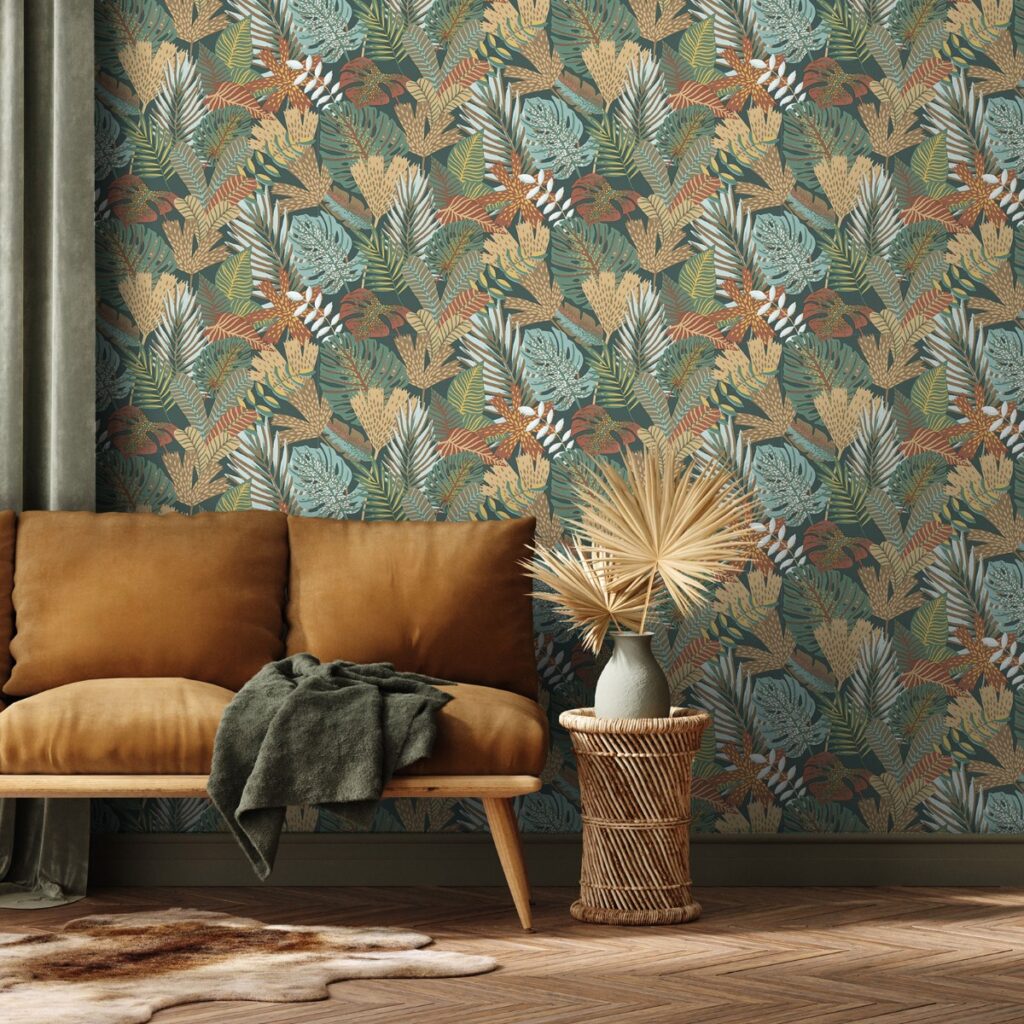
A botanical wallpaper with small rust-coloured details might work beautifully with a tan leather sofa. A muted blue floral could pick up the colour of curtains or upholstery. A warm cream background might complement natural oak flooring.
You only need one or two connections for the room to feel considered.
And don’t forget the background colour of patterned wallpaper. Although the flowers or leaves may attract your attention first, the background often determines how light or dark the finished room will feel.
3. Should you choose a small or large wallpaper pattern?
Pattern scale makes an enormous difference to how wallpaper looks on a wall.
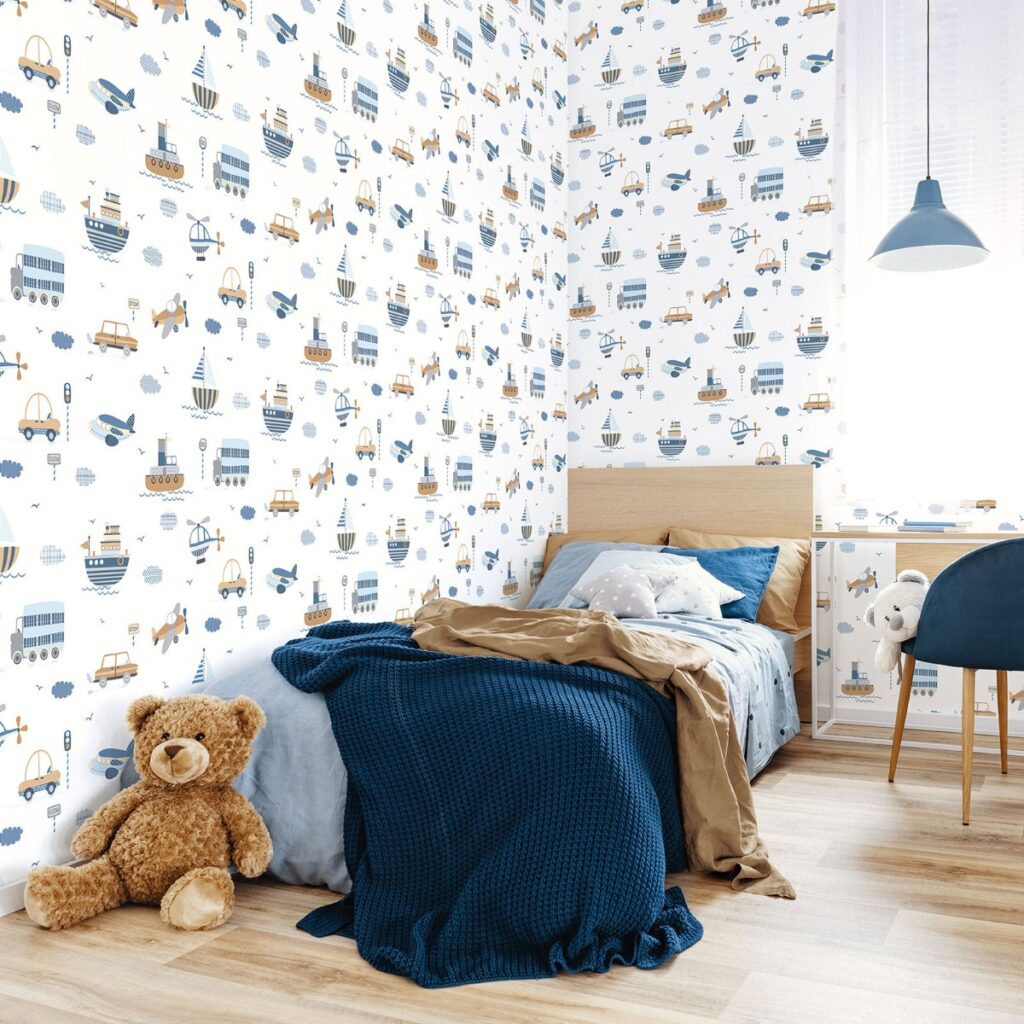
Two wallpapers in similar colours can create completely different effects simply because one has a small repeating design and the other has large flowers or leaves.
Small patterns
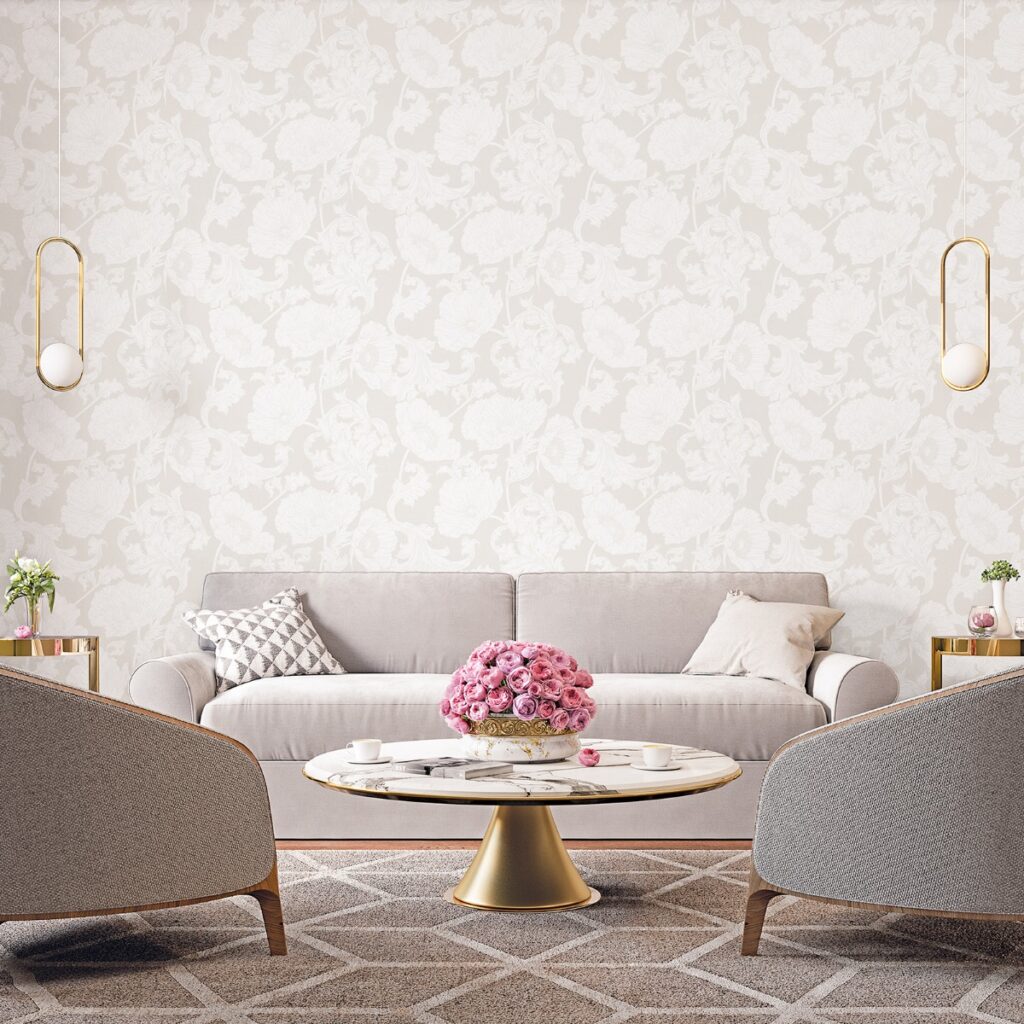
Smaller repeating designs tend to create a more continuous background.
From a distance, some can almost merge into an overall colour or texture. This makes them useful for wallpapering an entire room, particularly where you want interest without a single dominant feature.
Small florals, delicate leaves, fine geometrics and traditional repeating patterns can all work well in this way.
But small doesn’t automatically mean subtle. A tightly packed, high-contrast design can be surprisingly busy.
Large patterns
Large-scale wallpaper tends to attract more attention.
Oversized flowers, tropical leaves, bold geometrics and dramatic Arts & Crafts designs can become major decorative features.
They can look excellent behind a bed, around a fireplace or across an entire room where you want the wallpaper to play a leading role.
One thing worth remembering is that you may see relatively few complete repeats of a large design on a small wall.
That isn’t necessarily a problem, but you should understand how much of the pattern will actually be visible once furniture is in place.
Can you use large patterns in small rooms?
Absolutely.
There’s a longstanding decorating rule that small rooms need small patterns. It isn’t particularly helpful.
A large-scale design can sometimes make a small room feel less cluttered than a tightly repeating pattern. Equally, a small pattern used across every wall can make the boundaries of a room feel less obvious.
The important thing is to consider the overall effect rather than relying on the size of the room alone.
If you’re unsure, look for photographs showing the wallpaper across a complete wall, preferably with furniture included to give a sense of scale.
Explore different wallpaper pattern scales
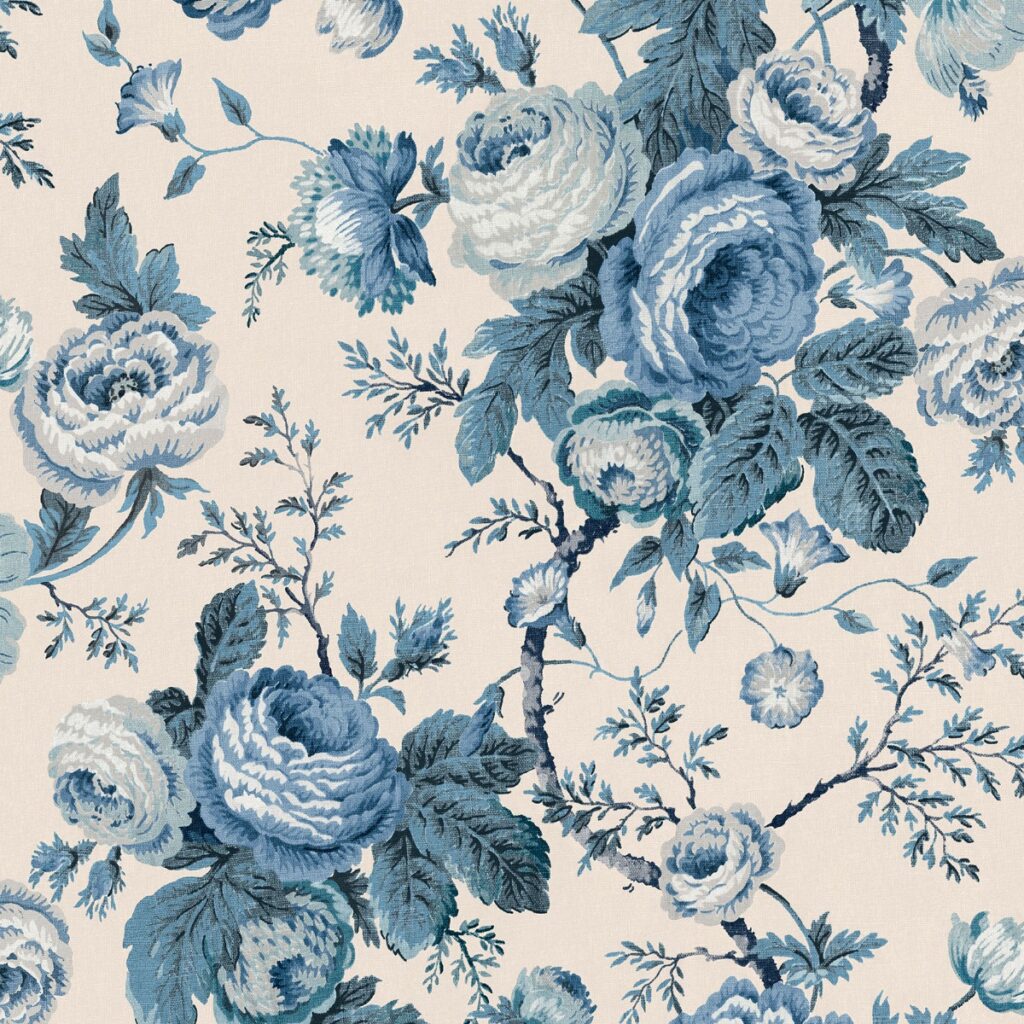
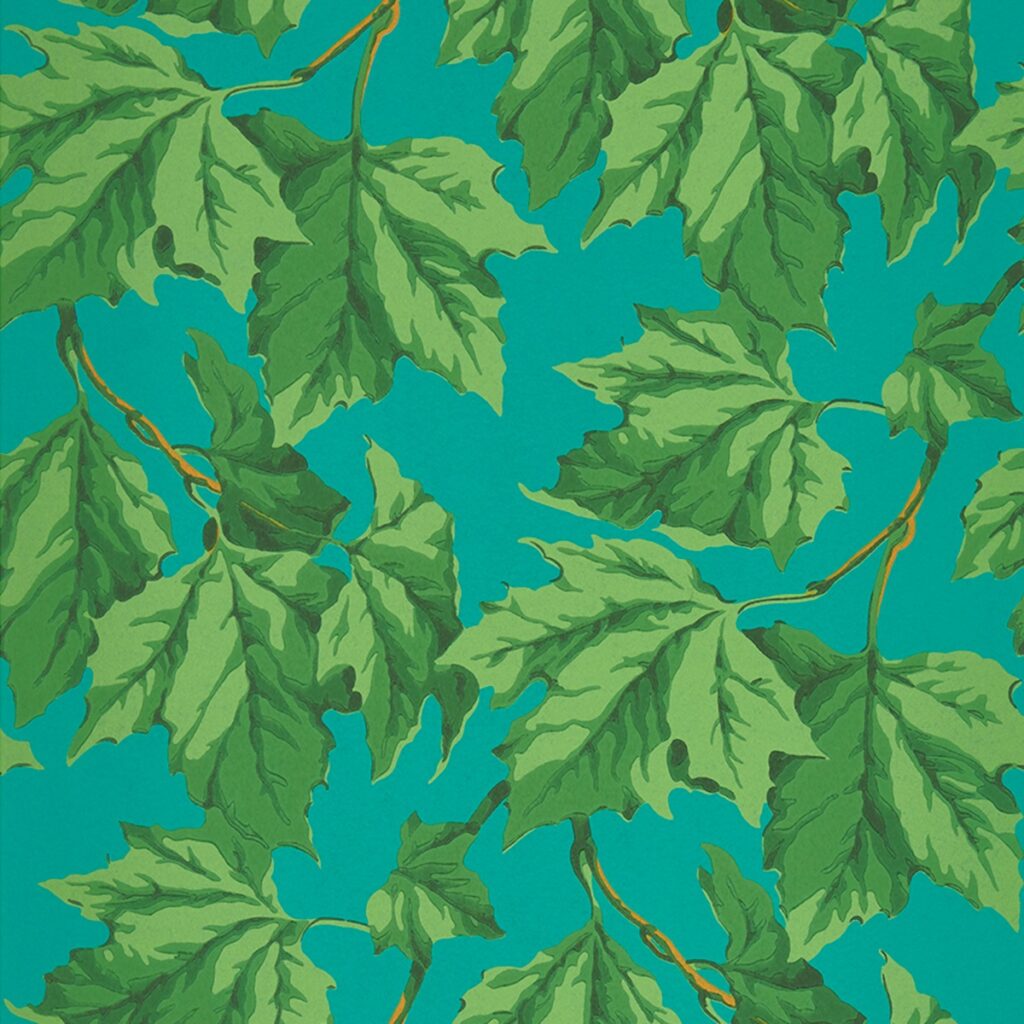

4. Should you wallpaper one wall or the whole room?
This is one of the most common decisions people face when decorating with wallpaper.
For many years, the feature wall was the default choice: wallpaper one wall and paint the other three.
That can still work extremely well, but it isn’t always the best approach.
When a feature wall works
A feature wall is particularly effective when the room has an obvious focal point. A chimney breast, the wall behind a bed or a recessed dining area can all provide natural places for wallpaper. It can also be a good option if you’ve fallen in love with a strong design but don’t want to use it throughout the room.
The key is choosing a wall that makes sense. A feature wall should look deliberate rather than as though you’ve simply run out of wallpaper.
When to wallpaper the whole room
Using wallpaper on every wall can create a more settled, continuous effect.
This works particularly well with smaller patterns, traditional florals, soft botanicals and textured designs.
It can also work with stronger patterns, particularly in bedrooms, dining rooms and smaller spaces where you want a cosy, enveloping atmosphere.
Sometimes a wallpaper that looks rather overwhelming on one isolated wall becomes more harmonious when it continues around the room.
Before deciding, try to imagine the pattern wrapping around corners rather than judging it as a single decorative panel.
5. Which wallpaper style should you choose?
There are plenty of ways to describe wallpaper styles, and many designs fit into more than one category. But understanding the main differences can make browsing much easier.
Floral wallpaper
Floral designs range from tiny country-style flowers to enormous contemporary blooms.
Traditional florals can suit period properties, cottages and more formal interiors, while larger or more abstract flowers often work well in contemporary rooms.
Don’t dismiss florals as old-fashioned. The colour, scale and way you use them make an enormous difference.
Botanical wallpaper
Botanical wallpaper takes inspiration from leaves, plants, trees and the natural world.
Some designs are delicate and understated; others feature dense tropical foliage, woodland scenes or richly coloured leaves.
Botanicals can work particularly well with timber furniture, natural fabrics and earthy colours.
They are also useful when you want to introduce green into a room without painting the walls a single shade.
Heritage and Arts & Crafts wallpaper
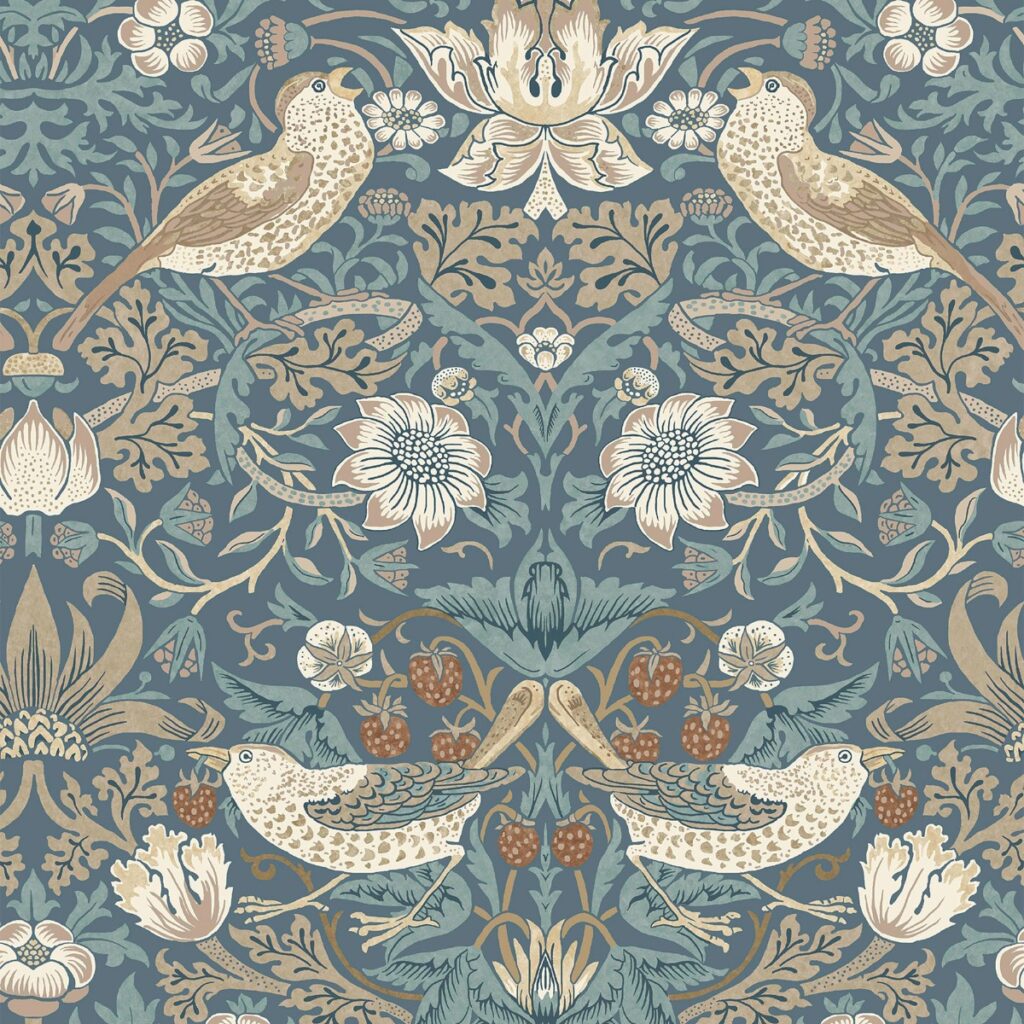
Traditional patterns, including designs associated with William Morris and the Arts & Crafts movement, often use repeating arrangements of flowers, leaves and other natural forms.
Their structured patterns can work beautifully in older properties, but they can be equally successful alongside contemporary furniture.
A traditional wallpaper doesn’t require a traditionally furnished room.
Geometric wallpaper
Geometric designs introduce a more ordered type of pattern.
They can be bold and graphic or surprisingly subtle, depending on the colours and scale.
Geometric wallpaper often works well in modern interiors, although designs inspired by Art Deco and earlier decorative styles can also suit period homes.
Striped wallpaper
Stripes are worth considering if you want pattern without flowers or elaborate motifs.
Fine stripes can provide a quiet background, while broad stripes make a stronger statement.
Vertical stripes can emphasise the height of a wall, and tonal stripes are particularly useful when you want something more interesting than plain paint without introducing a busy design.
Textured and texture-effect wallpaper
Sometimes the room needs a little more interest, but you don’t want an obvious pattern.
Linen effects, grasscloth looks, hessian textures and other subtle finishes can add depth while allowing furniture and artwork to remain the focus.
It’s worth distinguishing between genuine natural-texture wallcoverings and printed or embossed wallpapers that imitate them. They can look similar in photographs but may differ considerably in price, care and installation.
Explore textured wallpaper

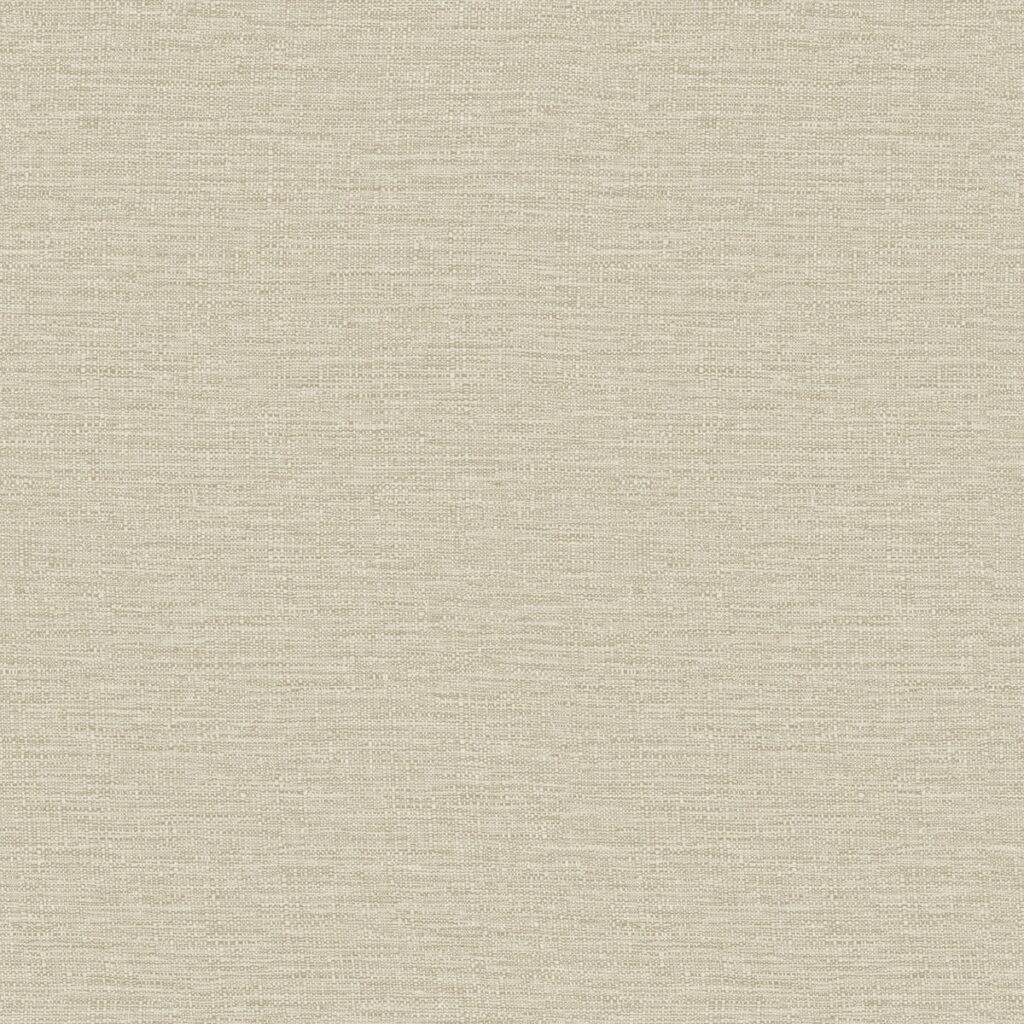
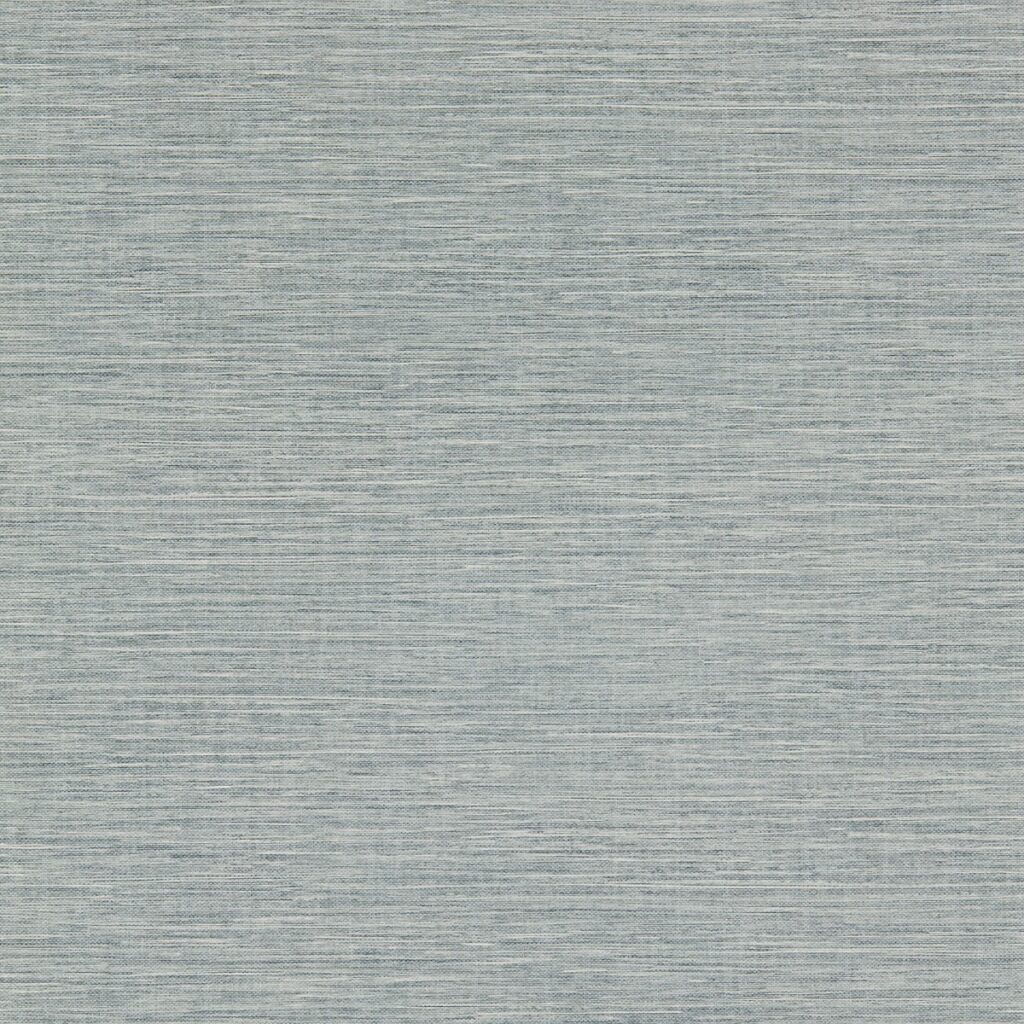
6. How to match wallpaper with furniture and flooring
One of the easiest mistakes is choosing wallpaper without considering the largest objects in the room.
A wallpaper may look wonderful on its own but compete with an existing rug, patterned curtains or strongly coloured sofa.
Start by identifying what already draws attention.
If you have a colourful patterned sofa, a quieter wallpaper may give the room a better balance.
If the furniture is relatively plain, you have more freedom to introduce a stronger design.
The same applies to flooring.
Warm timber, pale oak, dark wood, grey carpet and patterned tiles all affect how wallpaper colours appear.
You don’t need everything to match. In fact, rooms often look more interesting when there is some contrast.
But it helps if the colours and patterns feel connected rather than entirely unrelated.
Can you mix different patterns?
Yes, and the results can be excellent.
A floral wallpaper can work with striped upholstery. A geometric wallpaper might sit comfortably alongside a patterned rug.
The trick is usually to vary the scale.
If the wallpaper has a large, expressive pattern, try combining it with smaller or simpler patterns elsewhere.
Repeating a colour between the different designs can also help them work together.
7. Which wallpaper works best in different rooms?
The same wallpaper can behave very differently depending on where you use it.
| Room | Wallpaper ideas worth considering |
|---|---|
| Living room | Florals, botanicals, heritage patterns, textured wallpaper and statement designs. See our living room wallpaper ideas. |
| Bedroom | Soft botanicals, smaller repeats, stripes, murals and rich, cosy colours. See our bedroom wallpaper guide. |
| Hallway | Durable wallcoverings, stripes, repeating patterns and designs that work in changing light |
| Dining room | Rich colours, dramatic florals, murals and traditional patterns |
| Home office | Geometrics, subtle textures, botanicals and patterns that don’t compete with the workspace |
| Bathroom | Wallpaper specifically suitable for the room’s moisture and ventilation conditions |
These are starting points rather than rules.
A dark floral might be wonderful in a bedroom but equally successful in a living room. A subtle textured wallpaper could work almost anywhere. The important thing is to think about how much of the wallpaper you’ll see, what furniture sits against it and the conditions in the room.
What about kitchens and bathrooms?
Wallpaper can work in kitchens and bathrooms, but you need to be more careful about the product you choose.
Humidity, condensation, splashes and cleaning requirements all matter. Don’t assume that every vinyl wallpaper is suitable for a bathroom or that a washable wallpaper can be used directly beside a sink or shower. Always check the manufacturer’s guidance and avoid placing unsuitable wallpaper where it will be regularly exposed to water, steam or grease.
8. Always order a wallpaper sample if possible
This is probably the most useful piece of advice in the entire guide.
Wallpaper photographs are helpful, but they can’t reliably show you how a design will look in your own room.
Screens display colours differently, and professional room photographs are often taken under lighting conditions quite unlike those in your home.
A sample lets you judge the actual colour, finish and texture. Tape it to the wall and leave it there for a few days. Look at it in daylight, on a dull afternoon and under artificial lighting in the evening.
If you’re considering several designs, put the samples alongside one another. It’s often much easier to decide when you can compare them in the room.
Try to get the largest sample available, particularly for wallpapers with large patterns. A small cutting may show the colour accurately but tell you very little about the overall design.
9. Check the pattern repeat before ordering
Wallpaper patterns repeat at regular intervals, but the distance between repeats varies considerably. Some wallpapers have a very small repeat. Others have large designs that require more careful matching between strips. You may also encounter different types of pattern matching, including straight matches, offset matches and free matches.
These details affect how the wallpaper is hung and how much waste you should allow. For example, a large offset pattern may require considerably more wallpaper than a plain or free-match design covering the same wall.
Don’t estimate the number of rolls simply by dividing the wall area by the area printed on the roll label. Check the roll width, roll length, pattern repeat and match type first.
If you’re uncertain, ask the retailer or decorator to check the quantity before ordering.
10. Understand the different wallpaper types
Wallpaper isn’t just a choice of colour and pattern. Different products can also require different hanging methods and levels of care.
Paste-the-wall wallpaper
With paste-the-wall wallpaper, adhesive is applied to the wall rather than the back of the wallpaper.
This can make hanging more straightforward, particularly for people decorating themselves.
Paste-the-paper wallpaper
Traditional paste-the-paper wallpaper requires adhesive to be applied to the wallpaper, which may then need time to soak according to the manufacturer’s instructions.
Both methods can produce excellent results. The important thing is to follow the instructions for the particular wallpaper you’ve bought.
Vinyl and washable wallpaper
Some wallpapers have surfaces designed to be more resistant to marks and easier to clean.
However, terms such as spongeable, washable and scrubbable describe different levels of cleanability.
Check the manufacturer’s symbols and care instructions rather than assuming every vinyl or washable product performs in the same way.
Non-woven wallpaper
Non-woven wallpaper is made using a combination of fibres and is often designed for paste-the-wall installation.
But not every wallpaper is made or installed in exactly the same way, so always check the product details.
11. Don’t choose wallpaper from a photograph alone
Room photographs are wonderful for inspiration, but they can be misleading.
The photograph may show a large room with unusually high ceilings, expensive furniture and carefully arranged lighting.
Your own room may have smaller windows, lower ceilings or very different flooring.
None of that means the wallpaper won’t work.
It simply means you should judge the design in the context of your home.
Look at product photographs showing the pattern close up as well as full-room images.
Check the dimensions of the repeat.
And if possible, compare the sample against the furniture, paint colours and fabrics you intend to keep.
A wallpaper that looks less dramatic in a professional photograph may turn out to be exactly right for your room.
12. How to narrow down your final choice
If you’ve reached the point where you have a dozen wallpapers saved and still can’t decide, try reducing the choice to three. Pick one relatively safe option, one slightly more adventurous design and the wallpaper you keep coming back to.
Then compare them against the same questions:
- Does the colour work with the room’s light?
- Is the pattern the right scale for the wall?
- Does it complement the furniture and flooring?
- Will it work with the amount of wallpaper you intend to use?
- Is the wallpaper suitable for the room and your decorating plans?
- Can you imagine enjoying it once the furniture and everyday clutter are back in place?
You may find that the wallpaper you originally thought was the sensible choice no longer feels quite right.
Or you might discover that the bold design you loved online is much easier to live with than you expected.
Either way, you’ll be making the decision based on your actual room rather than a photograph.
Before you buy your wallpaper
Once you’ve chosen a design, take a little time to check the practical details.
Measure every wall carefully, taking account of doors, windows and the way the pattern needs to match.
Check the roll dimensions and repeat, and make sure you’re ordering enough wallpaper for the job.
Where wallpaper is supplied in batches, order enough at the same time and check that the rolls have matching batch numbers. Colours can vary slightly between production runs.
Finally, read the hanging instructions before buying adhesive or starting work.
Choosing wallpaper takes a little thought, but it shouldn’t become an ordeal.
The best wallpaper isn’t necessarily the boldest, the most fashionable or the one that looks most impressive in a photograph.
It’s the one that makes sense in your room, works with the things you already own and still makes you happy when the decorating is finished.
 Bedroom Wallpaper Ideas