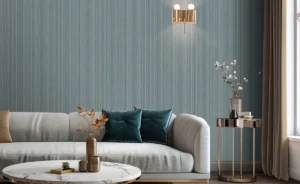
A feature wall sounds simple enough. Choose a wall, find a wallpaper you like and leave the other three walls painted. But anyone who has stood in the middle of a room wondering which wall to decorate knows it isn’t always that straightforward.
Should you wallpaper the chimney breast or the alcoves? The wall behind the sofa or the one opposite? And what if your favourite wallpaper looks so good that you’d rather use it everywhere?
A feature wall can be a wonderful way to introduce pattern, particularly if you’re drawn to a bold design. But the wall you choose matters just as much as the wallpaper itself.
Here’s how to decide what will work in your room.
1. Which wall should be a feature wall?
The best place to start is with the room itself.
Stand in the doorway and look around. Where does your eye naturally go? Is there a fireplace, a bed, a large sofa or an interesting architectural detail? Often, the most successful feature wall is one that draws attention to something already important in the room.
A chimney breast is an obvious example. It already interrupts the wall and creates a natural focal point, so decorating it differently can make sense.
The wall behind a bed is another good candidate because it frames the largest piece of furniture in the bedroom.
But don’t assume the wall facing the doorway is automatically the right choice. A wall with several doors, a large window or awkward interruptions may not give the wallpaper enough uninterrupted space to show its pattern properly.
Before making a decision, consider how the room looks from the places you actually use it, not just from the entrance.
2. Feature wall ideas for living rooms
Living rooms can be surprisingly difficult places to choose a feature wall. There may be a fireplace, television, sofa, windows, alcoves and several possible focal points competing for attention.
Wallpaper behind the sofa
The wall behind a sofa can be an excellent place for wallpaper, particularly if it’s a long, uninterrupted surface. It gives the seating area a clear identity and often provides enough space for a larger pattern. Botanical designs, dramatic florals, geometrics and textured wallpapers can all work here.
Think about the height of the sofa and any pictures or mirrors you intend to hang above it. A large head-height motif might disappear behind furniture or compete with artwork.
Wallpaper a chimney breast
A chimney breast is one of the most familiar places to use feature wallpaper.
It can look particularly effective with a repeating pattern that is carefully centred on the breast. However, not every wallpaper suits a narrow chimney breast.
If you choose a design with enormous flowers or widely spaced motifs, you might only see a small part of the pattern. Check the dimensions and pattern repeat before ordering.
What about the alcoves?
Sometimes wallpapering the alcoves either side of a chimney breast works better than decorating the breast itself. This can create a sense of depth, particularly where there are shelves, cabinets or recessed areas.
You could also wallpaper the entire fireplace wall, including the chimney breast and alcoves, for a more continuous result. There’s no requirement to treat every part of the fireplace wall differently.
3. Feature wall ideas for bedrooms
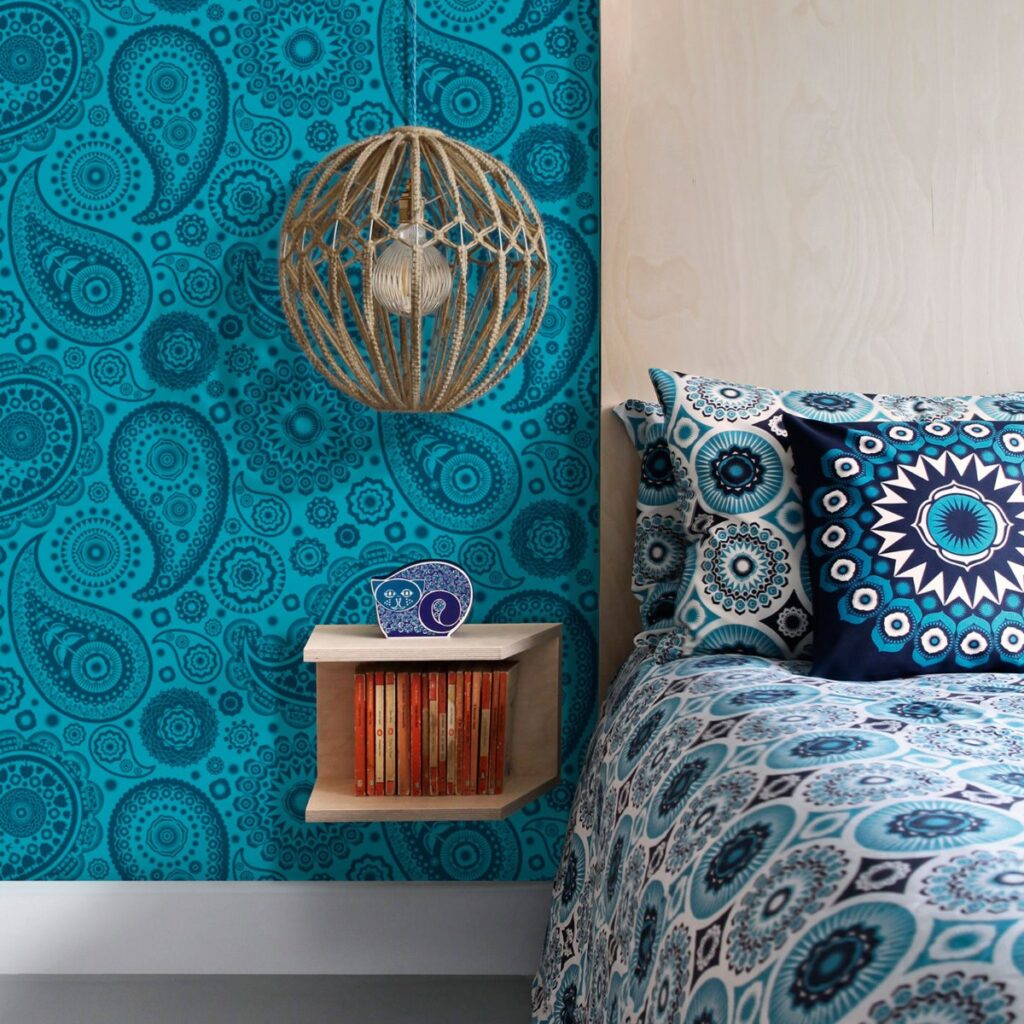
In most bedrooms, the wall behind the bed is the natural starting point. Wallpaper here helps frame the bed and gives the room a clear focal point without requiring much additional decoration. It’s also a useful place for a stronger pattern because you aren’t usually looking directly at it while lying in bed.
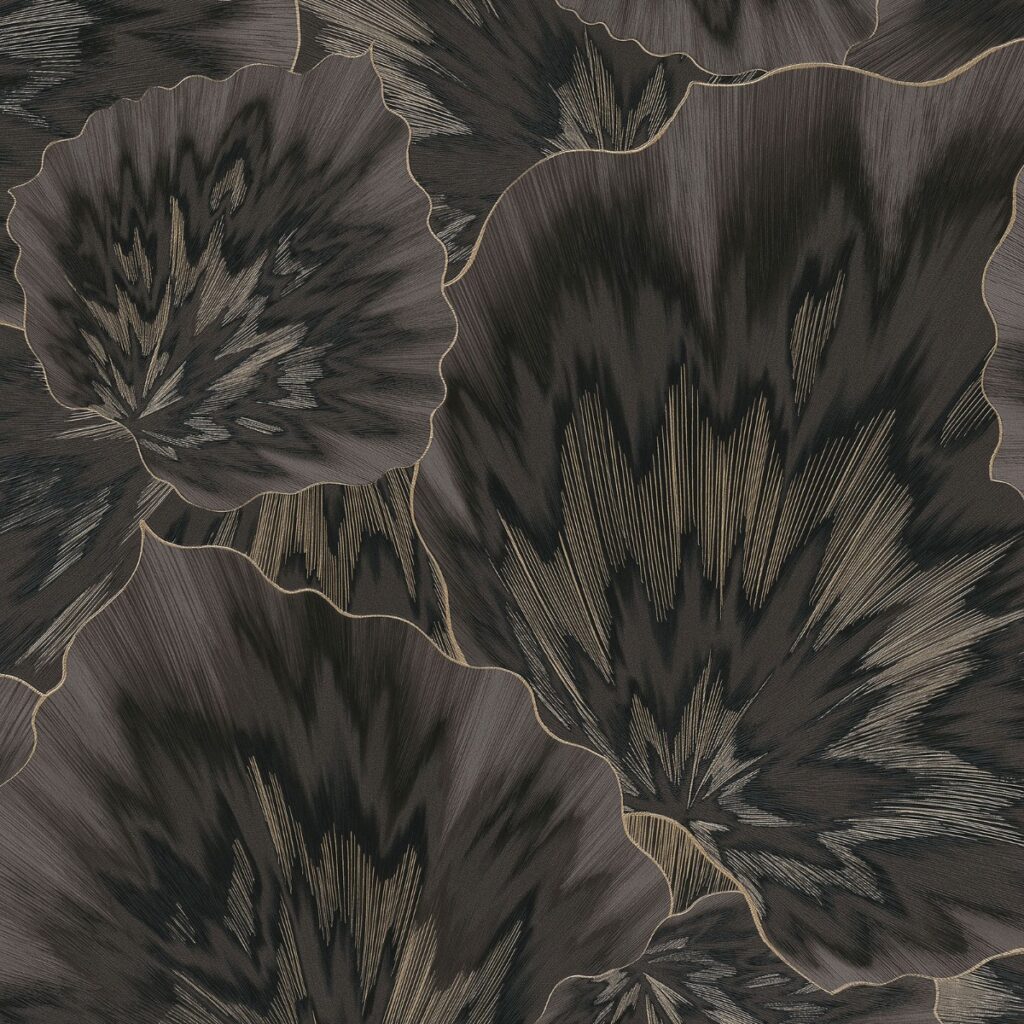
Large florals, dark botanicals and murals can all work well behind a headboard. But consider how much of the wallpaper will remain visible. A tall upholstered headboard can conceal a considerable part of the pattern, particularly if the design has a large central motif.
If the bedroom has an unusual layout, a chimney breast or an interesting alcove may provide a better opportunity. And if you prefer a quieter bedroom, there’s no reason not to use a subtle repeating wallpaper on every wall instead.
Explore floral and botanical feature wallpaper
4. Can you have a feature wall in a small room?
Yes, although it’s worth thinking carefully about what you want the wallpaper to achieve. A feature wall in a small bedroom, study or snug can introduce colour and character without covering much wall space.
But using wallpaper on just one wall can sometimes draw attention to the room’s boundaries. A small repeating pattern used throughout the room may create a more continuous, comfortable effect.
Don’t automatically avoid large patterns either. An oversized botanical or floral design can look excellent on a small wall, provided enough of the pattern remains visible to appreciate it.
The important thing is to judge the wallpaper against the actual dimensions of the room.
A photograph of a design covering a large showroom wall may give you very little idea of how it will look in a compact bedroom.
5. Which wallpaper patterns work best on feature walls?
One of the attractions of a feature wall is that you can use a stronger pattern than you might choose for an entire room.
But bold wallpaper isn’t compulsory.
Large floral wallpaper
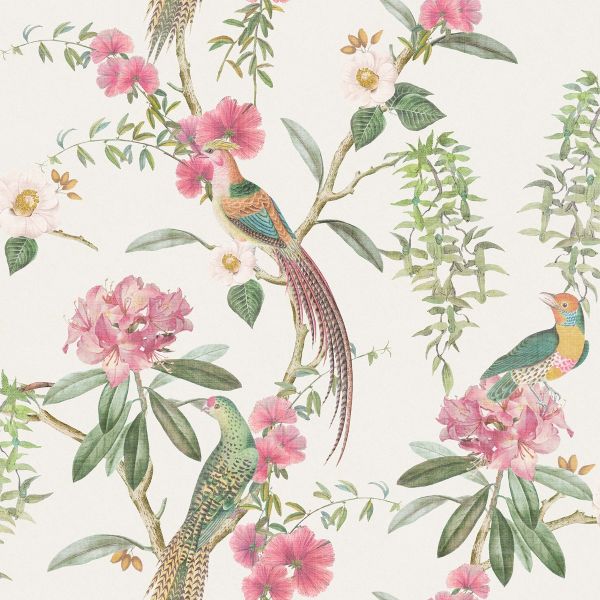
Oversized flowers can make a striking feature, particularly behind a sofa or bed. They work well when there’s enough wall space to appreciate the scale of the design.
Look carefully at the background colour too. A floral on cream creates a very different effect from the same kind of pattern on navy or black.
Botanical wallpaper
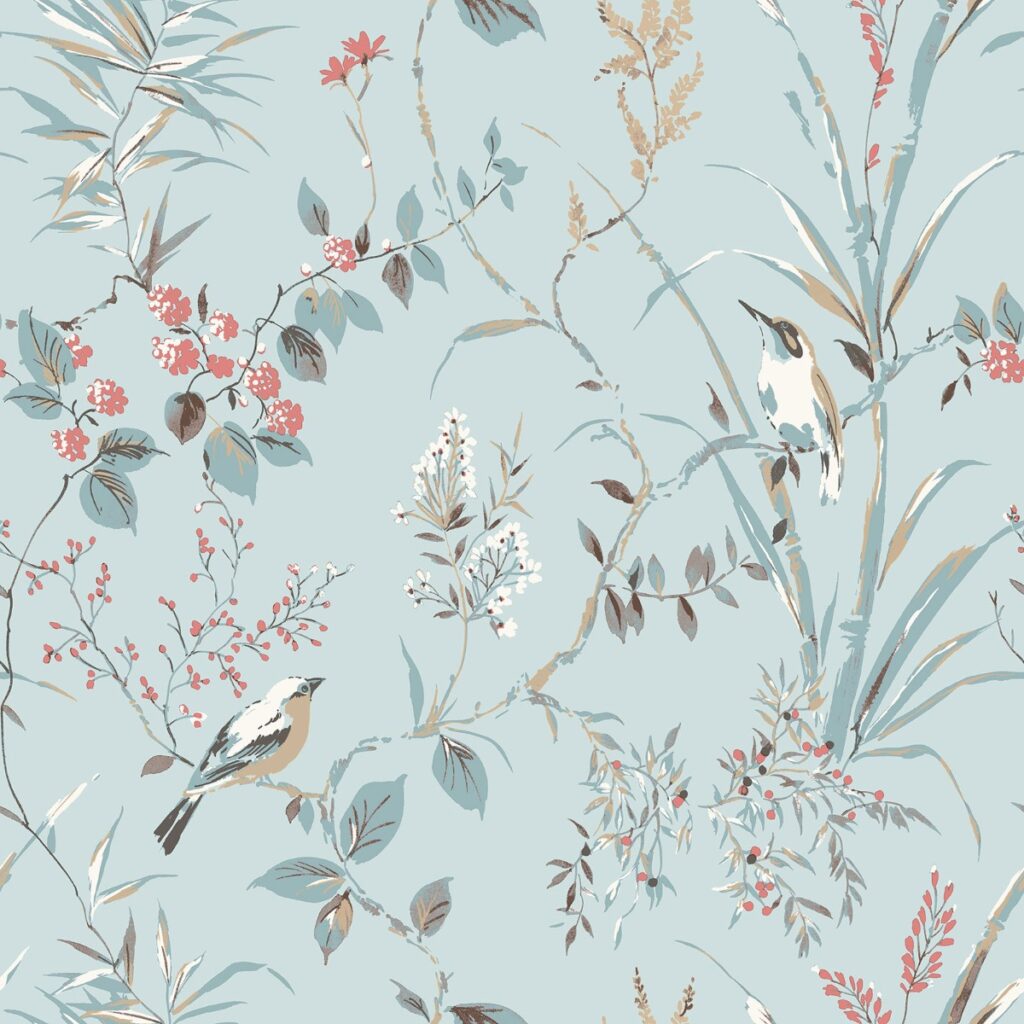
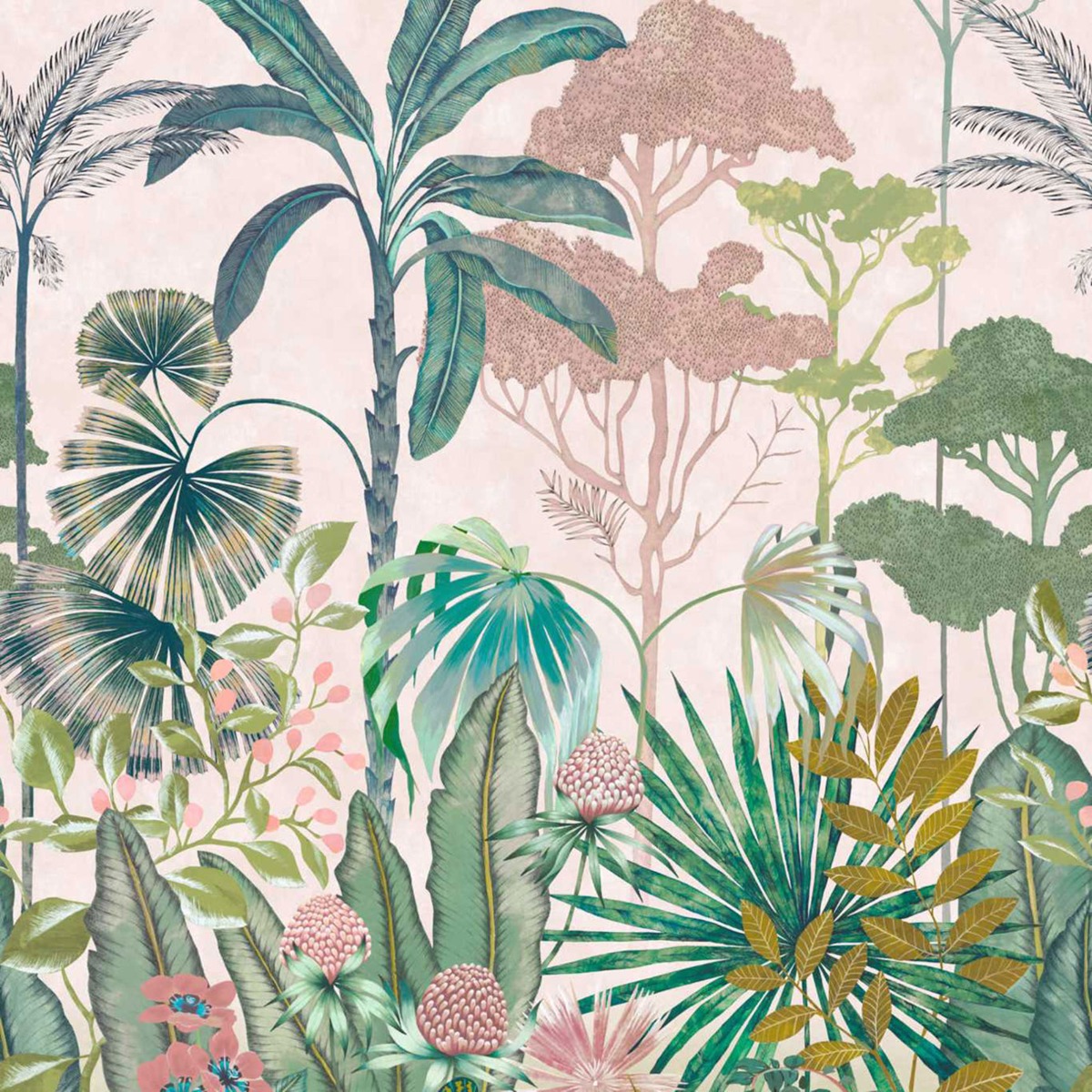
Leaves, trees, woodland scenes and tropical foliage are particularly versatile. A leafy green wallpaper can bring a sense of nature into a living room, while a darker forest design might create a cosy bedroom or reading area.
Botanical wallpaper can also provide a useful colour palette for the rest of the room.
Geometric wallpaper
Geometrics can give a feature wall a more structured appearance. Depending on the design, they can suit contemporary rooms, Art Deco-inspired interiors or spaces where you want pattern without flowers or foliage.
Pay attention to alignment. Strong geometric patterns make uneven joins or badly positioned repeats particularly noticeable.
Dark and dramatic wallpaper
A single wall of dark wallpaper can introduce depth and richness, particularly when combined with warm lighting and lighter surrounding surfaces.
Deep green, plum, charcoal and navy can all work beautifully.
But dark wallpaper isn’t necessarily limited to feature walls. In some rooms, using it throughout can create a more comfortable and settled atmosphere.
Textured wallpaper
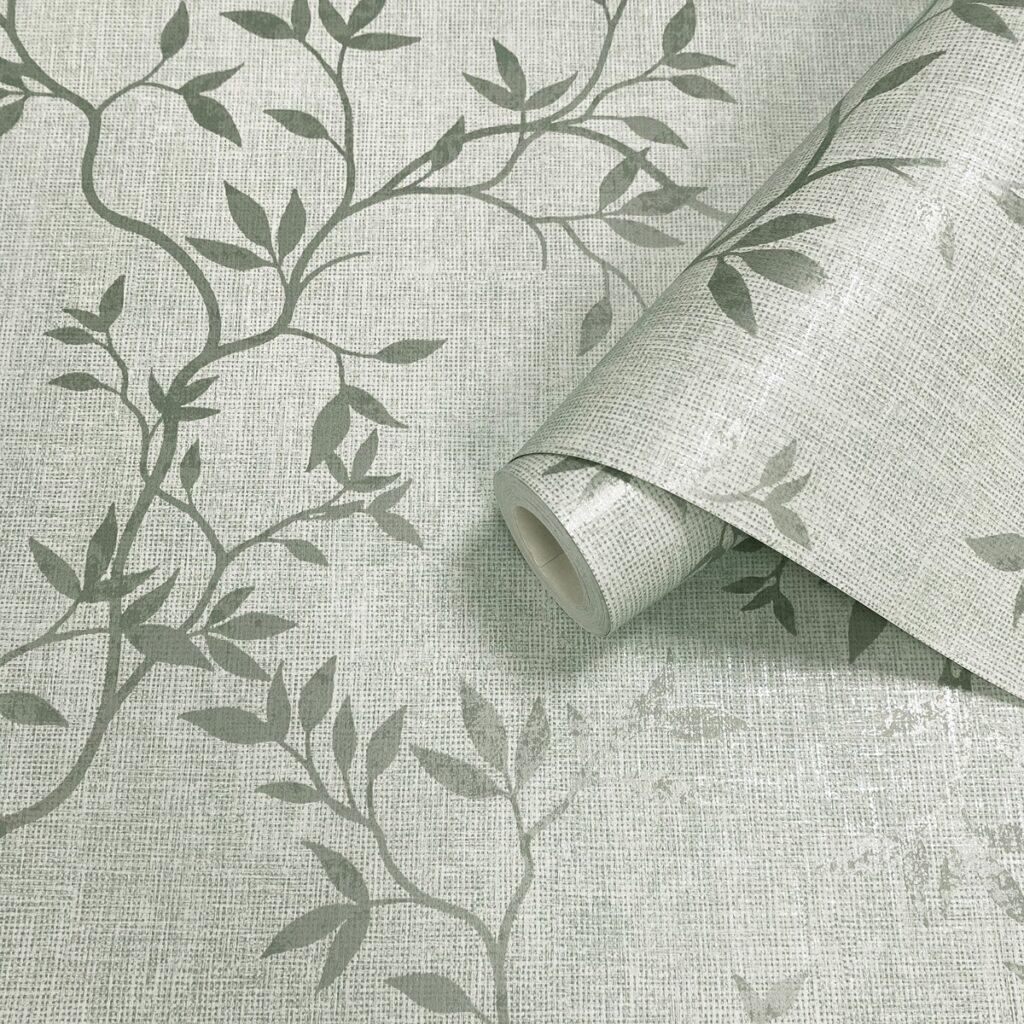
If you want a feature wall without an obvious pattern, consider a textured or texture-effect design. Grasscloth looks, linen effects and subtly raised surfaces can provide interest without competing with furniture or artwork.
They can be particularly effective where light falls across the wall and brings out the surface detail.
6. Use a wallpaper mural as a feature wall
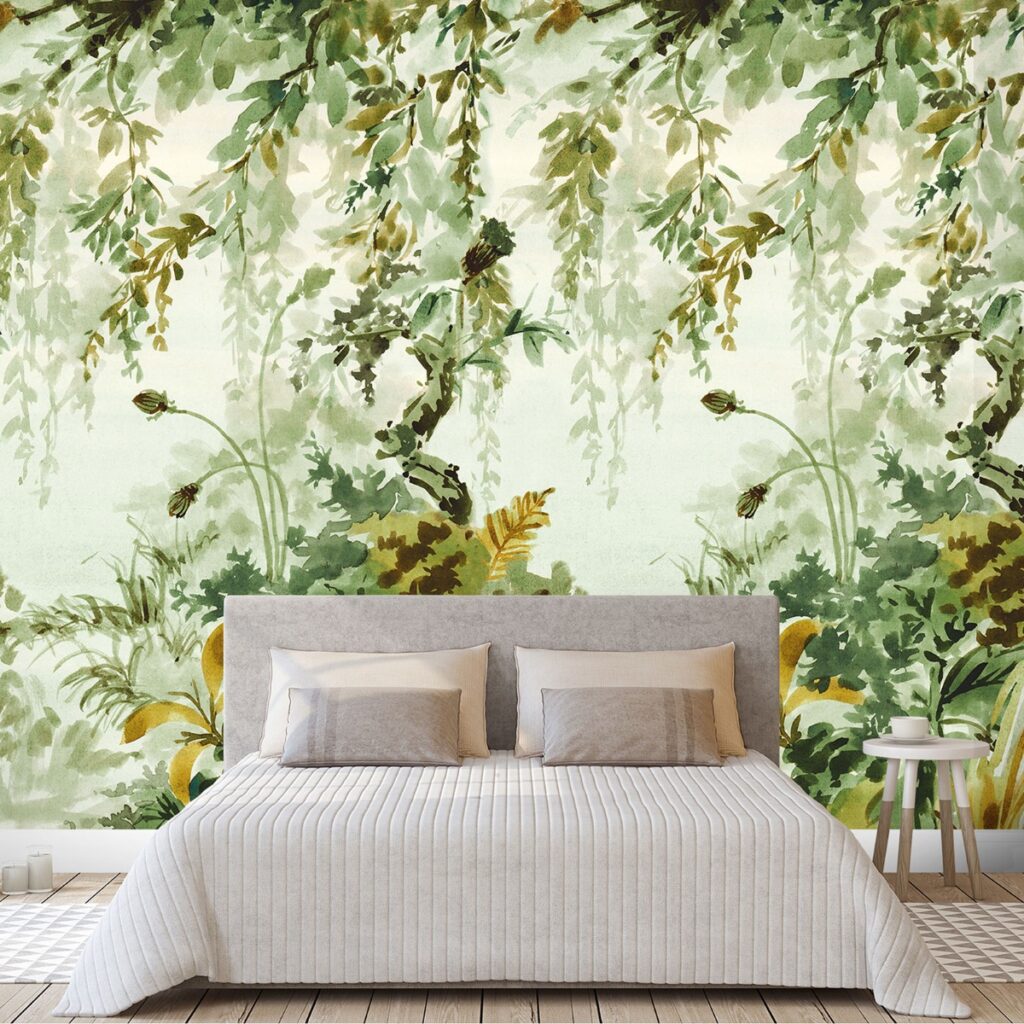
A mural is a particularly good choice when you want one wall to become the main decorative element in a room. Unlike conventional repeating wallpaper, a mural usually forms a complete image or composition. Woodland scenes, landscapes, large flowers and decorative illustrations can all work well.
The wall behind a bed is a popular location, but murals can also look excellent in dining rooms, living rooms and home offices. Before ordering, check the wall dimensions carefully.
You should also think about where the important parts of the image will appear once furniture is in place. A landscape with its main detail hidden behind a sofa or headboard may not have the effect you hoped for.
Some murals are supplied in fixed panel sizes, while others can be made to particular dimensions. Always check the product details.
Explore wallpaper murals

7. How to choose paint colours for the other walls
Once you’ve chosen your feature wallpaper, you’ll need to decide what to do with the remaining walls.
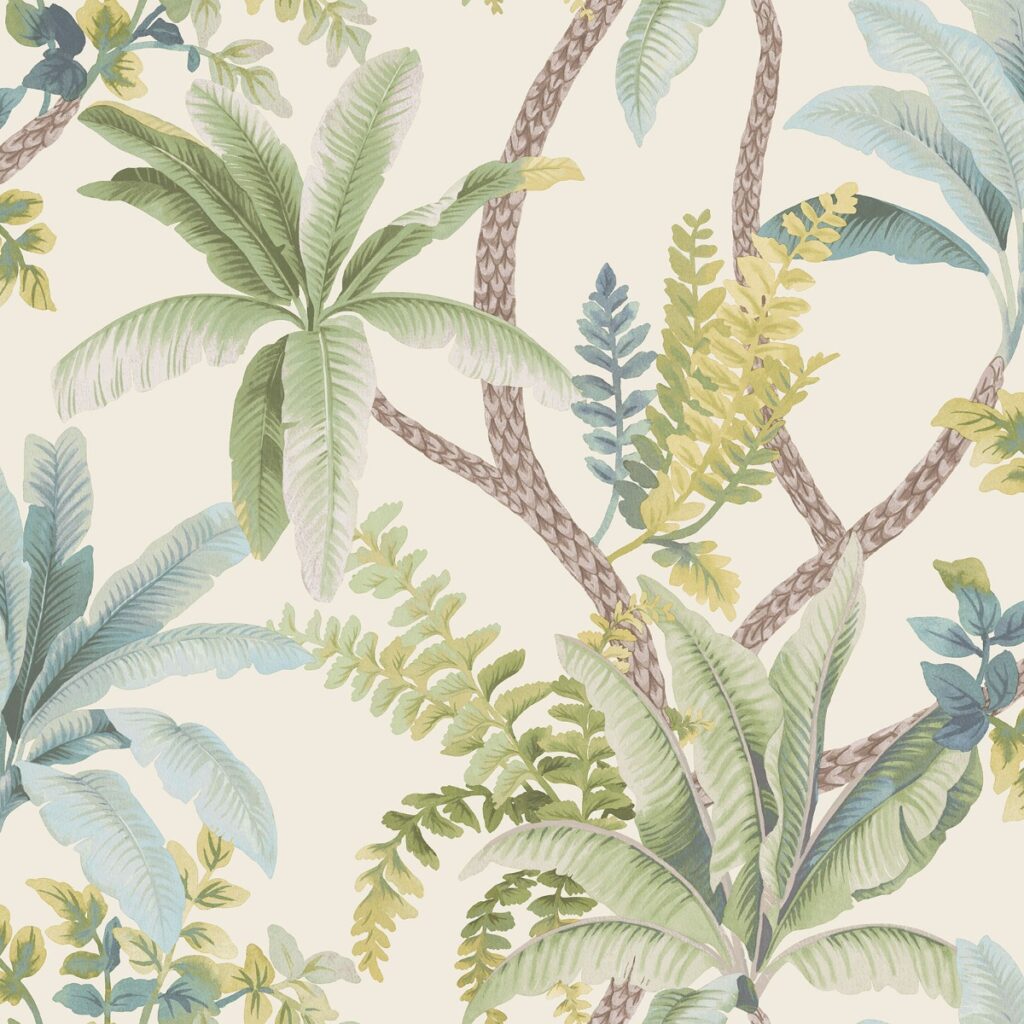
White is an option, but it isn’t always the best one. Try choosing a colour from within the wallpaper itself. For example, a botanical wallpaper with a warm cream background might work beautifully with cream or stone-coloured walls. A dark floral containing muted green leaves could look excellent beside soft green paint.
You don’t need to match the main colour in the pattern. Sometimes a quieter background or secondary colour gives a more balanced result.
If you’re using a particularly strong wallpaper, consider whether the surrounding paint should be warm or cool. A bright white beside an earthy, traditional wallpaper can sometimes create more contrast than you intended.
Always compare paint and wallpaper samples together in the room.
8. Should you wallpaper one wall or all four?
This is worth asking before you buy anything. A feature wall can be a sensible choice when the room has a clear focal point or when you want to use a particularly strong design. It can also be more economical because you’re covering a smaller area.
But wallpapering the whole room has advantages.
A repeating pattern that continues around corners can create a more unified appearance, particularly in bedrooms, dining rooms and smaller living spaces. Traditional florals, Arts & Crafts designs, stripes and subtle textures can all work particularly well this way.
And sometimes a dramatic wallpaper looks even better when it surrounds you.
Try not to make the decision simply because feature walls have been popular for years. Imagine both possibilities before choosing.
If you’re using a sample, move it around the room and consider what the design would look like continuing onto the adjoining walls.
9. Feature walls in hallways, dining rooms and home offices
Feature wallpaper isn’t limited to living rooms and bedrooms.
Hallways
A wall at the end of a hallway can be an attractive place for a stronger design, particularly if it’s visible from the entrance. In narrow halls, consider how the pattern looks from a distance and whether the wall has enough space to show it properly.
Dining rooms
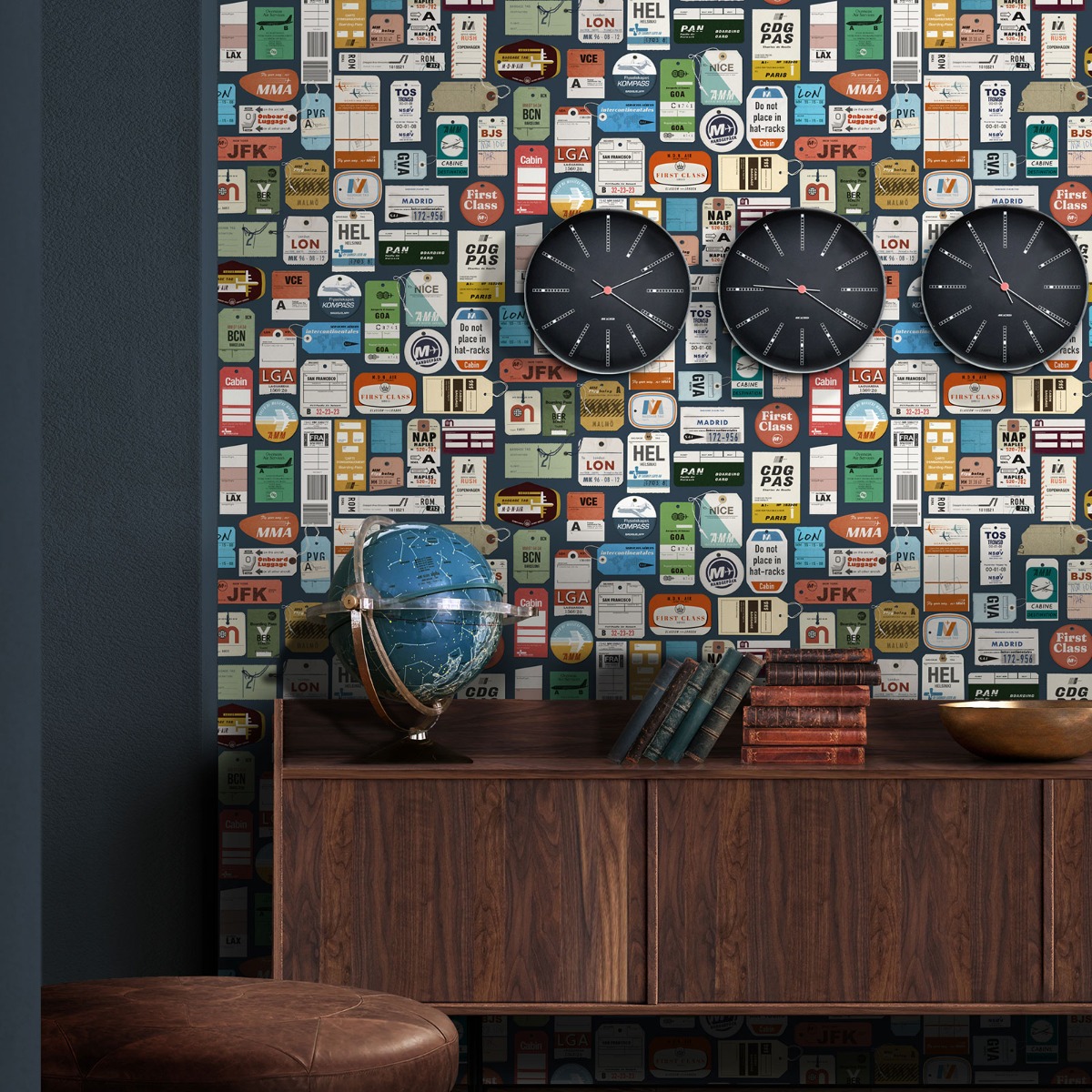
Wallpaper behind a sideboard or along the wall beside a dining table can give the dining area a distinct character. Rich colours, traditional patterns and murals can be particularly effective here.
In an open-plan room, wallpaper can also help distinguish the dining area from the kitchen or living space.
Home offices
Wallpaper behind a desk can create an attractive background, although it’s worth thinking about whether you’ll see it yourself or whether it will mainly appear behind you during video calls.
A subtle botanical, geometric or textured design may be easier to live with in a workspace than a particularly busy pattern.
10. Common feature wall mistakes
Some feature walls look disappointing because the wallpaper itself is wrong for the space. More often, the problem is how it’s been used.
Choosing a wall simply because it’s empty. A feature wall works better when it has a clear relationship to the room’s layout or furniture.
Ignoring the pattern scale. Large motifs may look wonderful in a photograph but become awkward when squeezed onto a narrow chimney breast.
Using a wallpaper that clashes with existing furnishings. Consider the sofa, curtains, flooring and other things you’re keeping before making your choice.
Forgetting about doors, windows and furniture. A beautiful pattern won’t have much impact if most of it is hidden or interrupted.
Choosing the other wall colours afterwards without testing them. Paint can look very different beside a strongly coloured wallpaper.
Assuming one wall is always better than four. Sometimes a room looks more complete when the wallpaper continues around it.
11. How much wallpaper do you need for a feature wall?
A feature wall generally requires fewer rolls than wallpapering an entire room, but it’s important to measure carefully. Start by measuring the full width and height of the wall. Then check the wallpaper’s roll width, roll length and pattern repeat.
A large repeating pattern may create more waste because each strip needs to be matched with the previous one.
Different pattern matches can also affect the amount required. Don’t assume that two wallpapers with identical roll dimensions will cover exactly the same area.
If you’re wallpapering a chimney breast or alcoves, measure each section separately. And where possible, order enough wallpaper from the same production batch to avoid slight differences in colour between rolls.
12. Before you choose your feature wall wallpaper
Once you’ve narrowed down your options, order a sample if one is available. Look at it against the wall you intend to decorate and compare it with the paint colours, furniture and flooring. Check it in daylight and under artificial lighting.
Make sure you understand the pattern scale and how much of the design will be visible.
If you’re choosing a mural, check the dimensions and positioning of the image particularly carefully.
And before hanging wallpaper, make sure the wall is dry, sound and properly prepared, following the manufacturer’s instructions for the particular product.
A feature wall can make an enormous difference to a room without requiring you to redecorate every surface. But it doesn’t need to shout for attention. Sometimes the best feature wall is a dramatic botanical behind a sofa. Sometimes it’s a quiet textured wallpaper in a bedroom alcove.
And sometimes, after considering all the possibilities, you’ll decide that the wallpaper deserves all four walls instead.
 How to Choose Wallpaper: Colour, Pattern, Scale & Style