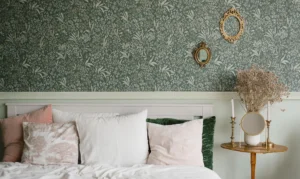
Wallpaper and Wall Panelling Ideas: How to Combine Both
Wallpaper and wall panelling can make an excellent combination. Panelling adds structure and architectural detail, while wallpaper introduces colour and pattern. Together, they can transform an otherwise ordinary wall, whether you’re decorating a Victorian hallway, a country-style bedroom or a modern living room.
It’s also a useful way to introduce a wallpaper you love without covering an entire room in a busy pattern. By keeping the lower walls painted and using wallpaper above, you can enjoy a more decorative design without it necessarily taking over the space.
There are several ways to approach it, from traditional half-height panelling and dado rails to contemporary shaker panels, tongue-and-groove boarding and wallpaper fitted inside decorative wall mouldings.
The most successful combinations usually have one thing in common: the proportions, colours and patterns have been considered together rather than chosen separately.
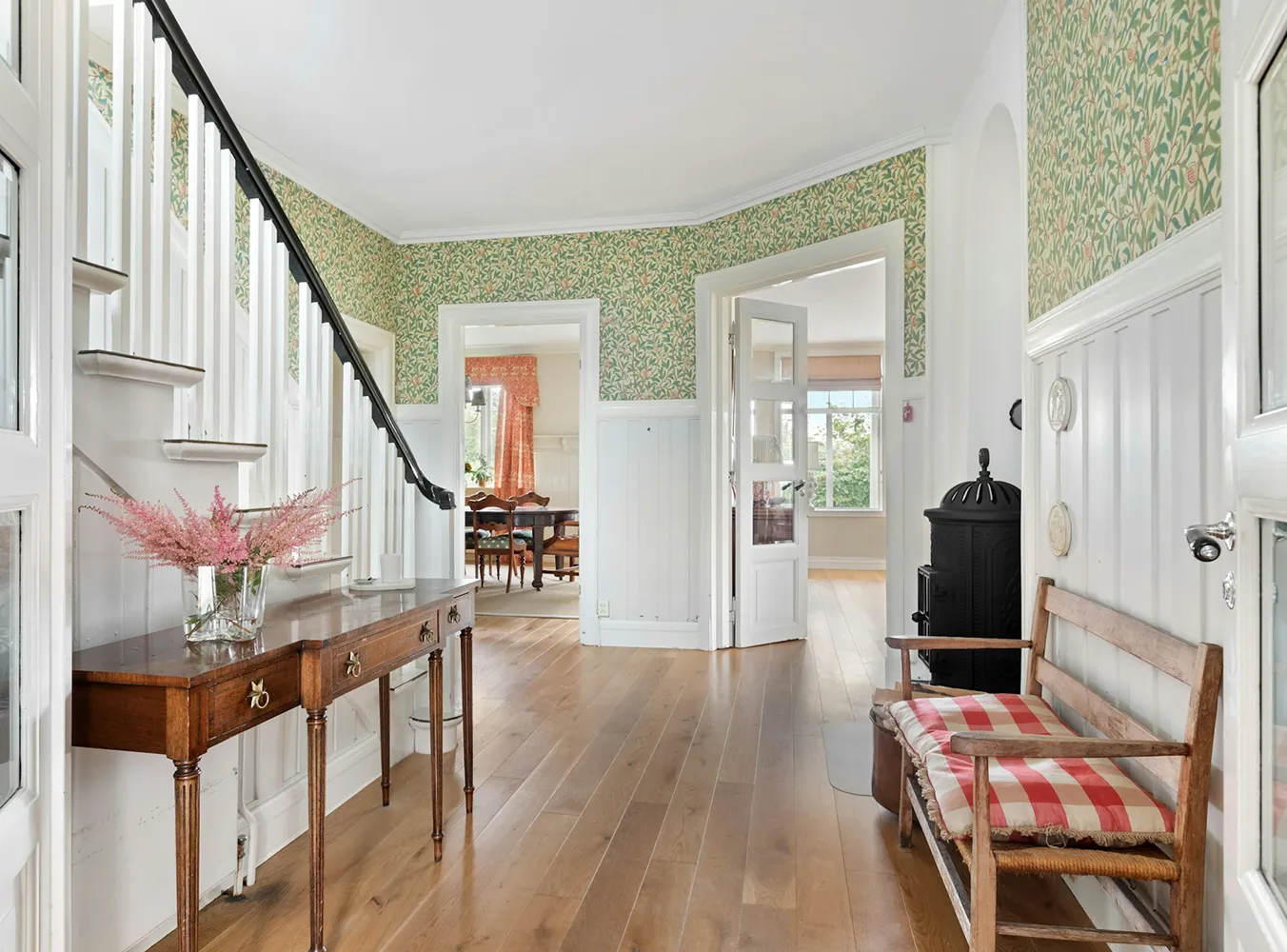
Wallpaper above half-height wall panelling
One of the simplest and most attractive combinations is to install panelling across the lower part of a wall and wallpaper the section above.
It’s a familiar look in period properties, particularly Victorian and Edwardian houses, but it can work just as well in newer homes. Simple painted panels can add character to an otherwise plain room, while the wallpaper prevents the overall effect from feeling too formal.
The important decision is where the panelling should finish. A traditional dado-height arrangement might place the top of the panelling around 90–100cm above the floor, although the right height depends on the room. Taller panelling can also look attractive, especially in a bedroom or dining room where you want the painted section to make a stronger statement.
The wallpaper needs enough space to be appreciated. If you choose a large botanical design but leave only a narrow strip of wall above the panelling, much of the pattern may disappear.
Before installing anything, mark the proposed panelling height on the wall with masking tape. Stand back and look at it from different parts of the room. It’s a simple exercise, but it can prevent an expensive mistake.
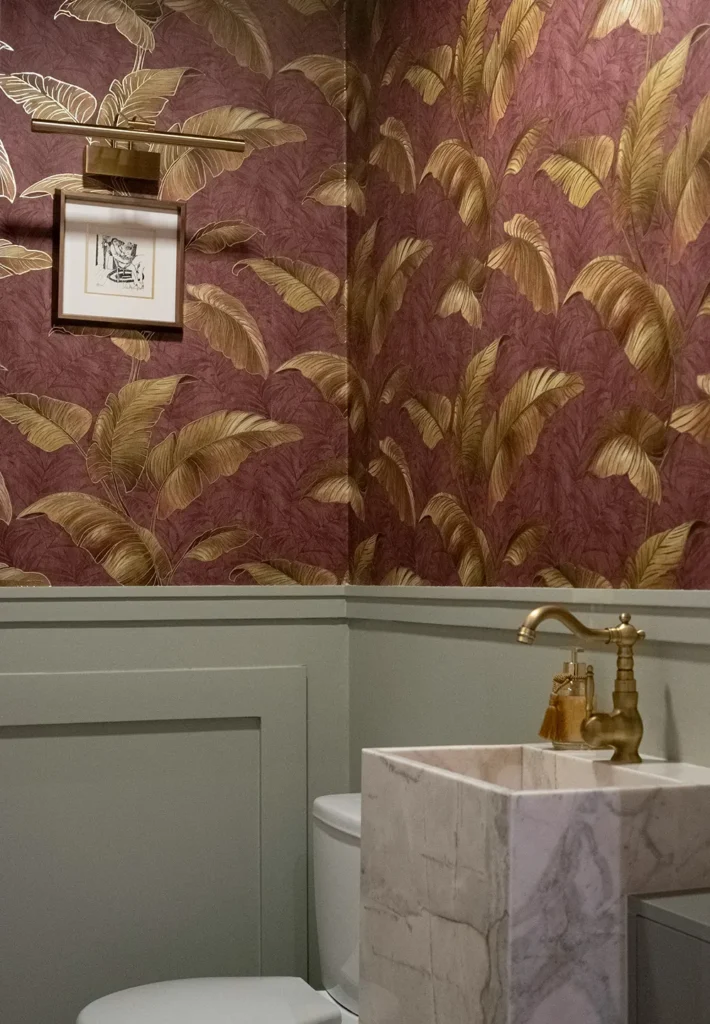
What wallpaper works best above panelling?
Almost any wallpaper style can work, but some combinations are easier to get right than others. Small florals, repeating botanical patterns and traditional prints sit naturally above painted timber panels. They create a decorative upper wall while allowing the panelling to provide a quieter base. Larger floral designs can also be very effective, particularly where the ceiling is high enough to accommodate a generous section of wallpaper.
For a more contemporary look, consider abstract patterns, restrained geometrics or wallpapers with a subtle textured appearance.
The main thing is to consider the relationship between the wallpaper and the panelling. Both don’t need to be equally decorative. In fact, a simple panelling design often works best with a more interesting wallpaper.
Explore floral and botanical wallpaper for half-height panelling
A selection of decorative patterns that could work above painted panelling in bedrooms, living rooms and dining rooms.
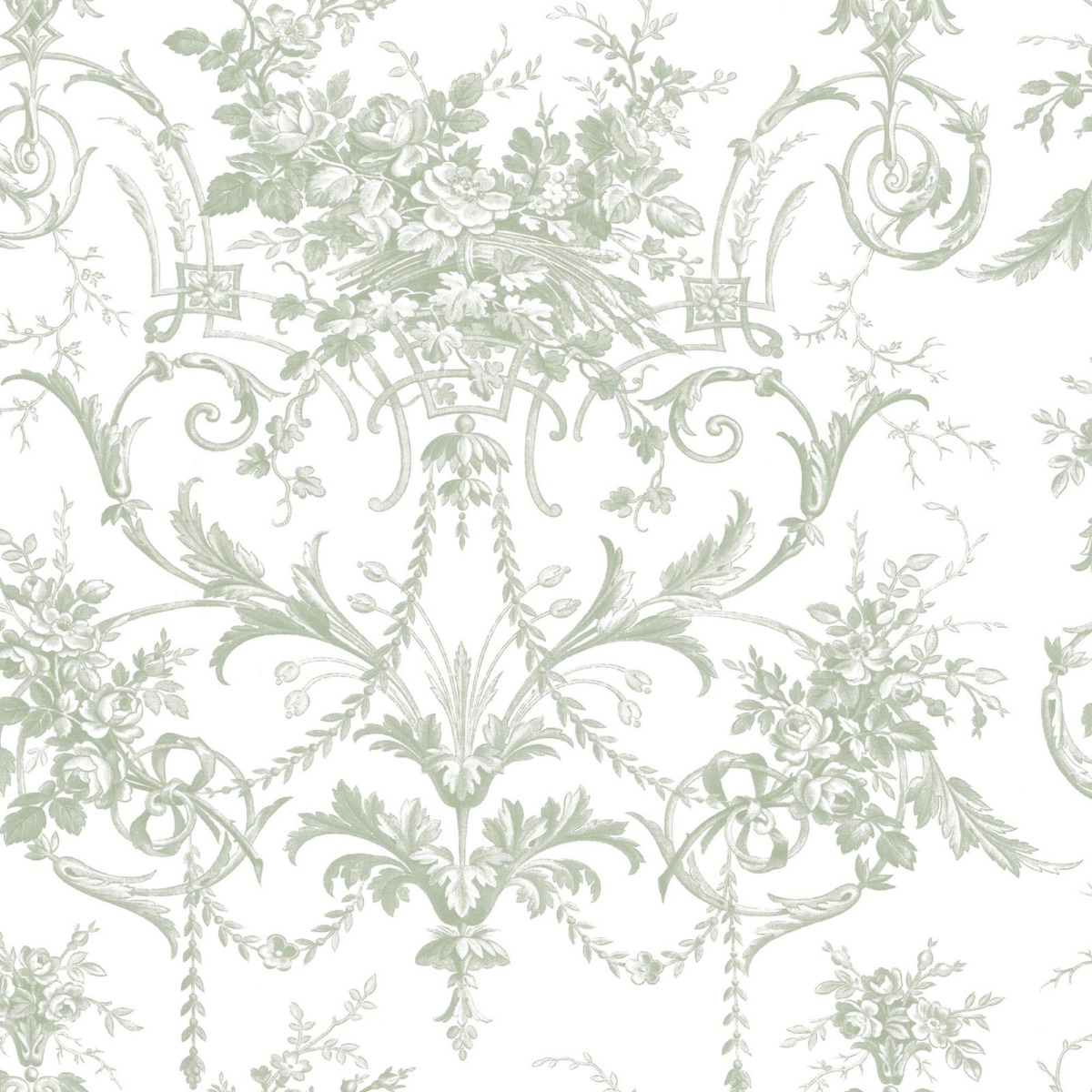
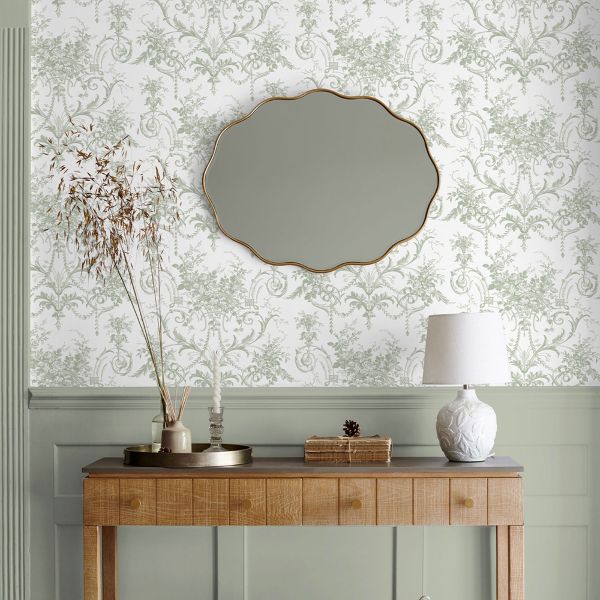
Laura Ashley Tuileries – Sage Green
Elegant floral damask
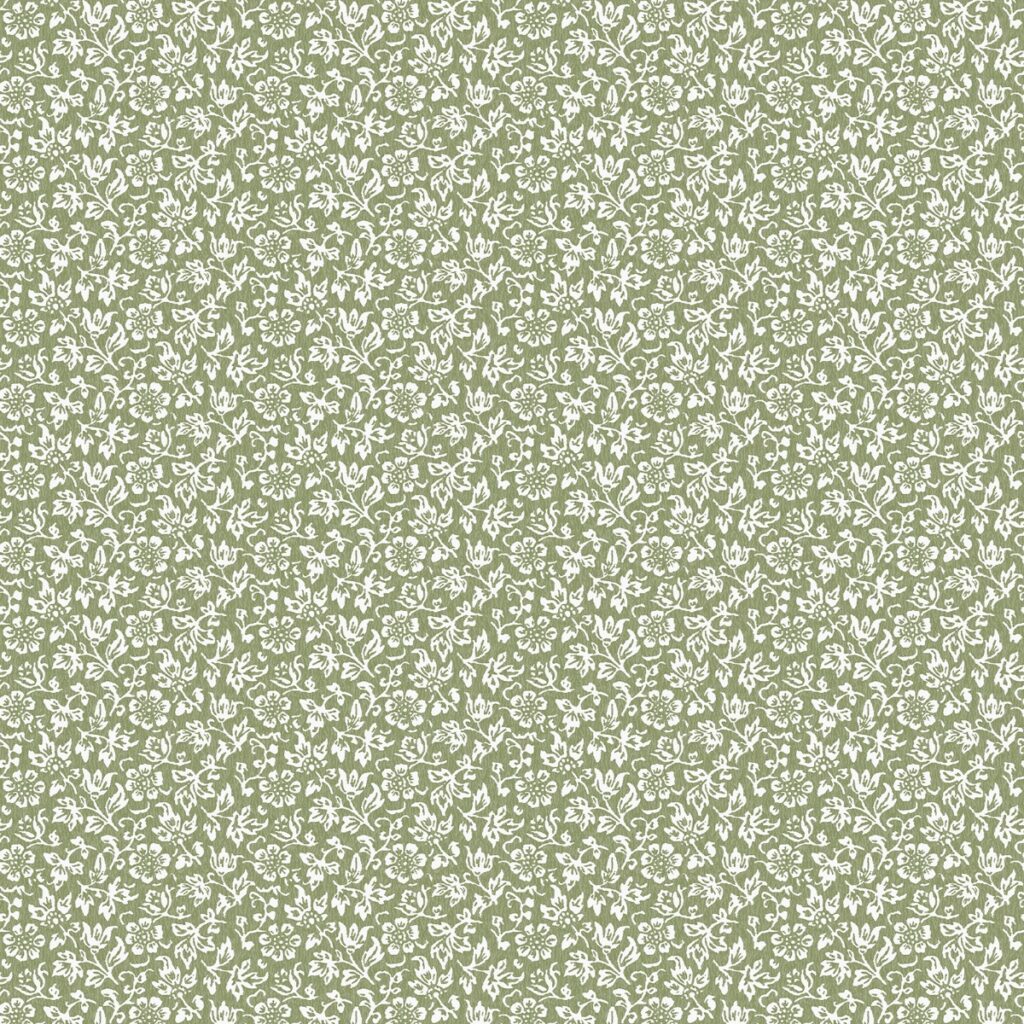
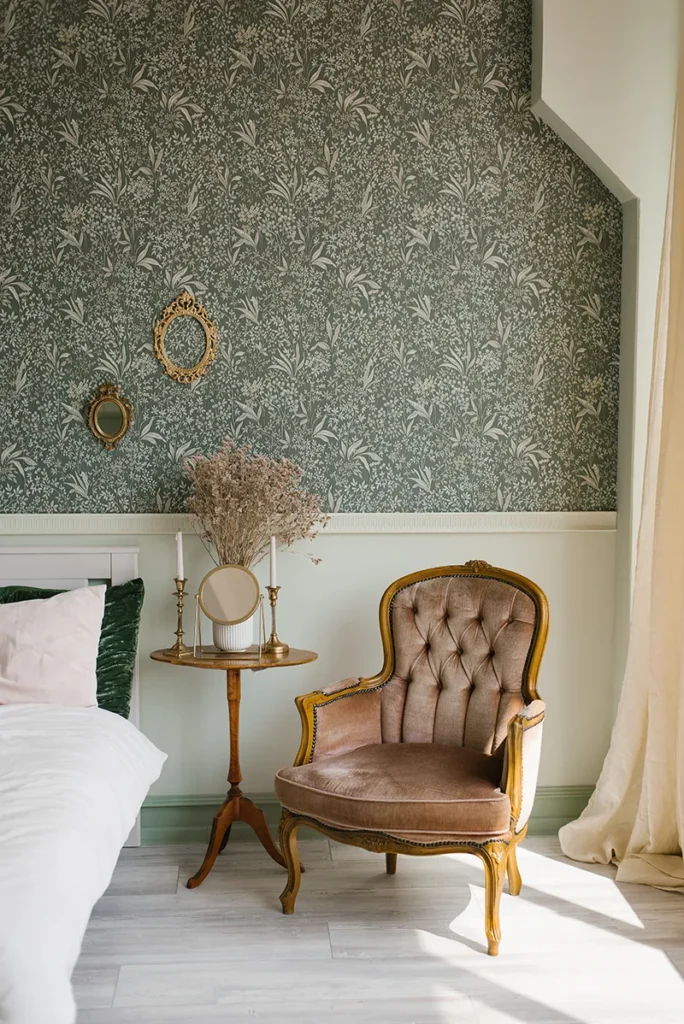
Laura Ashley Sweet Alyssum – Moss Green
Country-style floral
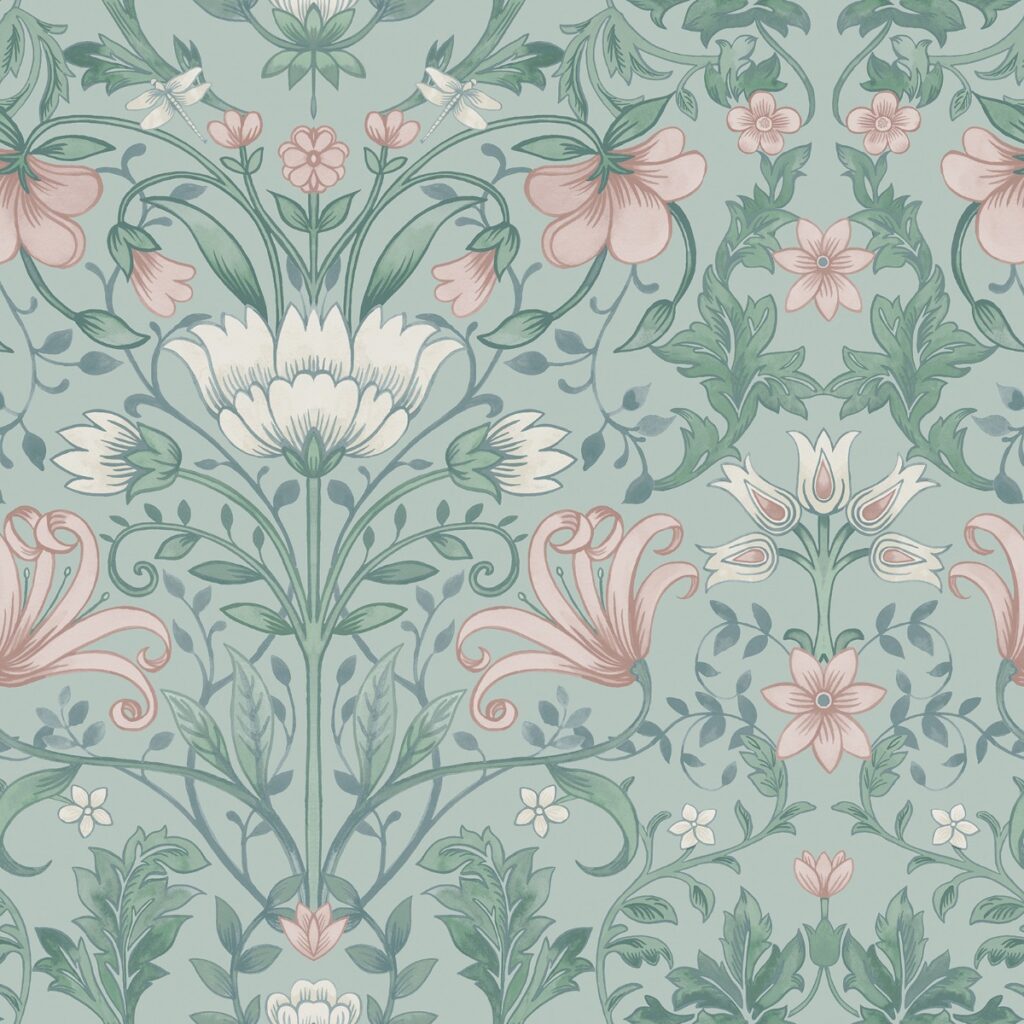
Holden Vintage Floral – Soft Teal
Colourful vintage floral
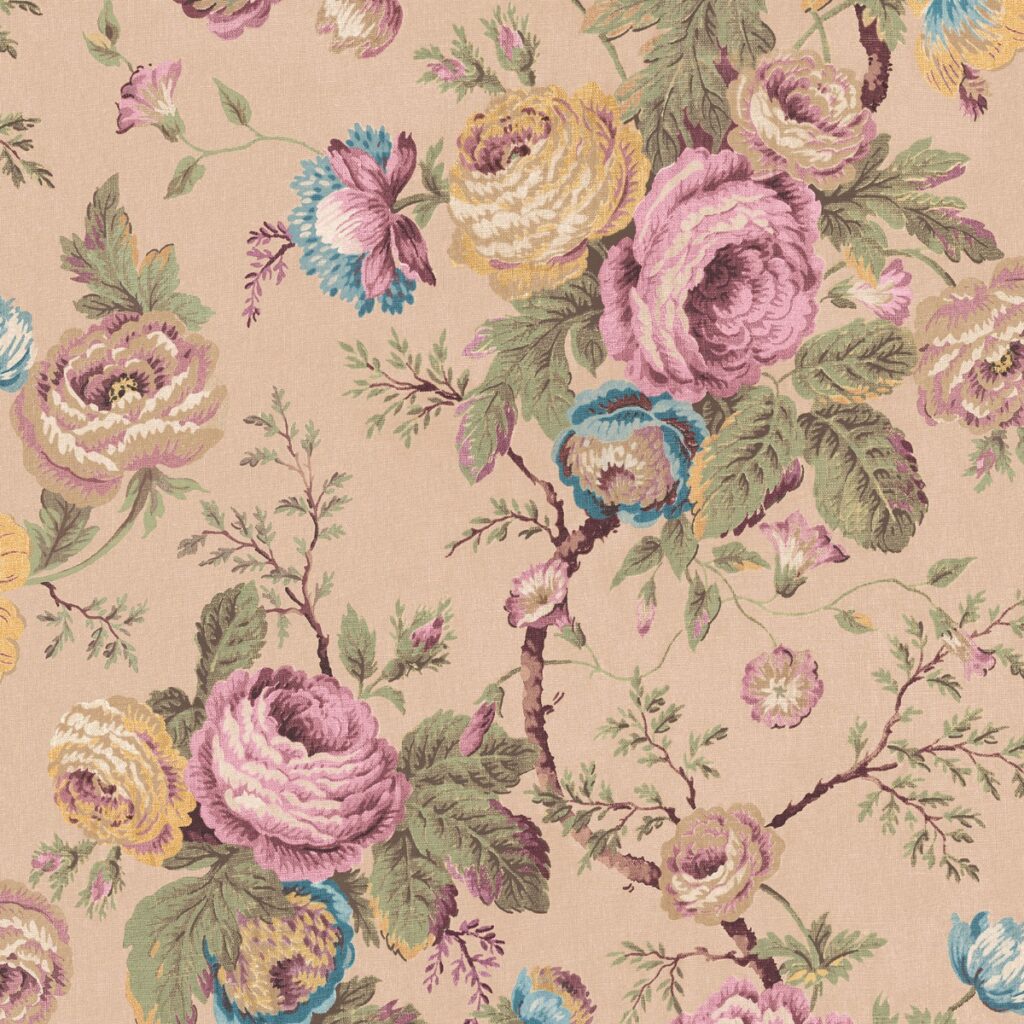
Laura Ashley Uffington Roses – Plaster Pink
Soft romantic flowers
Choosing the right colour for your wall panelling
Once you’ve chosen a wallpaper, you’ll need to decide how to paint the panelling beneath it.
White is an obvious choice, but it isn’t always the most interesting one. Depending on the wallpaper, a soft green, muted blue, warm neutral or deeper heritage colour may bring the whole scheme together more successfully.
Pick a colour from the wallpaper
One of the most reliable approaches is to choose a colour already present in the wallpaper design.
For example, a floral wallpaper with sage green leaves might look lovely above panelling painted in a similar green. A traditional blue-and-cream print could work with muted blue woodwork, while a warm botanical design might suit oatmeal, stone or a soft earthy shade.
You don’t necessarily need to match the strongest colour in the pattern. Sometimes picking out a quieter background colour creates a more balanced result and allows the wallpaper to remain the decorative focus.
Consider darker panelling
Dark green, navy, burgundy and rich brown can look particularly attractive beneath decorative wallpaper. These colours give the lower section of the wall a stronger presence and can make lighter wallpaper above appear brighter by contrast.
In a period dining room, for instance, deep green panelling beneath an Arts and Crafts-style botanical wallpaper can produce a rich, traditional scheme without requiring elaborate furniture or accessories. Dark panelling can also work in smaller spaces. You don’t have to make every surface pale simply because a room is compact.
Should the skirting boards and doors match?
There isn’t a universal rule, but keeping the panelling, skirting boards and door frames in the same colour often creates a more cohesive appearance. This can be especially effective when the panelling runs around several walls or continues through a hallway.
Alternatively, you might keep original stained timber doors or existing painted woodwork if they are an important feature of the house. The wallpaper and panelling colours should then be chosen with those finishes in mind.
Before committing, try paint samples beside the wallpaper in the actual room. Colours that appear to match on a screen can look surprisingly different in daylight.
Wallpaper and panelling ideas for bedrooms
A bedroom is an excellent place to experiment with the combination because the wall behind the bed often provides a natural focal point.
Half-height panelling can create the impression of a substantial headboard, particularly when it extends across the full width of the wall. Wallpaper above adds pattern without requiring decorative furniture or a complicated arrangement of artwork.
For a softer scheme, try painted sage green or warm cream panelling beneath a delicate floral wallpaper. If you prefer a more traditional bedroom, a patterned wallpaper in blue, rose or muted natural colours can look attractive with simple shaker-style panels.
You could also reverse the emphasis and choose darker panelling below a pale wallpaper. This makes the lower part of the wall feel more substantial and helps define the bed area.
Should you panel one bedroom wall or the whole room?
Both approaches can work. Panelling just the wall behind the bed creates a clear feature without changing every surface. This can be particularly useful where the other walls have wardrobes, windows or doors that interrupt the design. Continuing half-height panelling around the room gives a more unified appearance, particularly in traditional bedrooms.
If you’re choosing between these approaches, our guide to feature wall ideas explains when decorating one wall makes sense and when using the same finish throughout a room may be more effective.
Wallpaper and panelling in living rooms and dining rooms
Living rooms and dining rooms often have more furniture and architectural detail than bedrooms, so it’s worth considering how the panelling will relate to the fireplace, windows and existing woodwork.
In a living room with a chimney breast, you might use wallpaper above half-height panelling on the surrounding walls while keeping the fireplace as the main feature. Alternatively, a single wallpapered wall framed by simple mouldings can provide enough decorative interest without covering the entire room.
Dining rooms can accommodate particularly attractive combinations of wallpaper and panelling. Traditional damasks, botanical patterns and decorative florals often work well with painted woodwork, especially when the room has a sideboard, dining table or period fireplace. A deeper colour on the panelling can also give a dining room a more intimate atmosphere.
Traditional or modern?
Traditional rooms often suit shaker-style panels, raised mouldings or classic dado rails. Florals, damasks and Arts and Crafts-inspired wallpapers complement these details naturally.
For a modern living room, simpler panelling with clean lines can be more effective. Consider flat panels, understated rectangular mouldings or vertical timber details paired with a geometric or less elaborate wallpaper.
It isn’t necessary to copy the architectural style of a period property to enjoy the effect of panelling. The best approach is usually the one that feels appropriate for the room you’re decorating.
Wallpaper inside decorative wall panels
Another approach is to use wallpaper within individual framed sections of a wall rather than covering everything above half-height panelling.
Decorative mouldings can be fitted directly to a wall to create rectangular or square frames. Wallpaper is then applied inside selected sections. This can look particularly elegant in a bedroom, dining room or living room where you want a more formal arrangement.
For example, three evenly spaced rectangular panels behind a sofa could each contain the same wallpaper, with the surrounding wall painted in a coordinating colour. You could also wallpaper a single large framed section behind a bed, creating an alternative to a conventional feature wall.
Keep the design balanced
This approach needs a little more planning than wallpapering a plain wall. The dimensions of the frames should relate to the furniture and overall wall size. Narrow panels filled with large patterns may not show enough of the design, while very small patterns can become difficult to appreciate from across the room.
It’s also worth considering the pattern repeat. If you use the same wallpaper in several adjacent panels, you may want corresponding motifs to appear at similar positions within each frame. That can require additional wallpaper and careful cutting.
Choose the wallpaper before you finalise the frame dimensions. It’s much easier to adjust a proposed moulding layout than to discover afterwards that an important part of the design doesn’t fit.
Can wallpaper make a room with low ceilings feel taller?
Panelling changes the way we perceive the proportions of a wall, but there are no fixed rules about making rooms appear taller or wider. A low dividing line leaves more uninterrupted wallpaper above it and can help draw attention upwards. Taller panelling may create a cosier, more enclosed feeling, especially when painted in a deeper shade.
Vertical tongue-and-groove panelling can also emphasise height, while long horizontal divisions may make a room feel wider. The effect depends on the ceiling height, furniture, colours and lighting as much as the direction of the lines.
In rooms with lower ceilings, be careful about installing panelling so high that the wallpaper is reduced to a shallow band beneath the ceiling. Unless that is a deliberate decorative choice, it can make the proportions appear awkward.
Wallpaper and panelling in hallways and staircases
Hallways are among the most practical places to combine wallpaper with panelling.
The lower part of the wall is often exposed to shoes, coats, bags and furniture being carried through the house. Painted panelling can provide a practical lower surface while keeping more delicate decorative wallpaper away from the busiest areas. A traditional dado rail can create a natural division between the two finishes.
For a Victorian or Edwardian hallway, consider a botanical or floral wallpaper above panelling painted in a colour drawn from the design.
In a modern entrance, simple rectangular panels with a subtle geometric wallpaper above can provide a more restrained finish. You can also continue the panelling along the staircase, following its slope and carrying the wallpaper through to the landing.
Our separate hallway and staircase wallpaper ideas guide explores the additional challenges of narrow entrances, tall stairwells, difficult lighting and choosing wallpaper for busy spaces.
Wallpaper that looks like wall panelling
If you like the appearance of decorative panelling but don’t want to install timber, MDF or mouldings, there is another option.
Some wallpapers are designed to imitate wooden slats, decorative panels or other architectural finishes. These can be useful for creating a textured or panelled appearance on a feature wall without the cutting, measuring and installation work involved in real panelling.
Modern wood-slat-effect wallpapers, for example, use printed shading and repeated vertical lines to suggest the appearance of narrow timber strips. They can look effective behind a bed, in a home office or as a contemporary living room feature.
It’s important to understand what you’re buying, though. Printed panelling-effect wallpaper doesn’t provide the physical depth, acoustic properties or impact resistance of actual timber panelling. Its appeal is visual, and the finish will depend on the print quality and the surface beneath it.
It can nevertheless be an inexpensive and relatively straightforward alternative where the appearance matters more than the material itself.
Planning your wallpaper and panelling before decorating
Once you’ve decided on a style, a few practical checks will make the project easier.
Decide on the proportions first
Measure the height and width of each wall and mark where you intend the panelling to finish. Consider how the proposed height relates to windowsills, radiators, sockets, fireplaces and furniture.
Existing dado rails or architectural details may provide a natural dividing line. In newer homes, you have more freedom, but it’s still worth keeping the arrangement consistent around the room.
Choose the wallpaper before buying paint
Even if you intend to install the panelling first, it’s sensible to choose your wallpaper early. The wallpaper will usually offer more colours to work with than a plain painted surface, so it can be easier to select a coordinating paint shade once you’ve seen the actual wallpaper.
Our practical guide to choosing wallpaper covers colour, pattern size, lighting and the importance of seeing samples before ordering.
Check the wallpaper pattern repeat
Wallpaper quantity isn’t determined by wall area alone.
The roll width, pattern repeat and matching requirements all affect how much wallpaper you need. This becomes particularly important if you’re papering several framed sections or working above panelling where you want the pattern to start at a particular point.
Measure the wallpapered areas separately and check the manufacturer’s roll specifications before ordering. Try to purchase sufficient rolls from the same batch, allowing for pattern matching and reasonable wastage.
Think about installation order
If you’re fitting new timber or MDF panelling, it will generally make sense to complete the panelling installation, fill and prepare the surfaces, and establish the finished dividing line before wallpapering above it. Any new timber or MDF should be prepared and primed as appropriate, and the wallpapered wall should be clean, dry, sound and properly prepared.
The exact order of final painting and wallpapering will depend on the materials, adhesives and decorative finish you choose. Where possible, avoid installing heavy mouldings directly over wallpaper unless the fixing system is specifically intended for that application.
Consider moisture and maintenance
Not all materials are suitable for every room.
In bathrooms, kitchens and other areas exposed to moisture, both the wallpaper and the panelling need to be chosen carefully. Ordinary MDF can swell if it becomes wet, while some wallpapers are unsuitable for damp conditions or frequent cleaning. Check the manufacturer’s guidance for the specific wallpaper and panelling product, particularly around sinks, baths and other wet areas.
In busy family spaces, painted panelling may be easier to maintain or repaint than wallpaper at lower wall level, although its durability depends on the surface and paint finish.
Making the final choice
Wallpaper and wall panelling work best when each has a clear purpose.
The panelling might add architectural character, protect a busy lower wall or create a decorative frame. The wallpaper can introduce colour, texture or a pattern that would feel too strong if used across every surface.
You don’t need elaborate mouldings or an expensive wallpaper to achieve a pleasing result. Simple painted panels beneath a well-chosen botanical print can be just as effective as a much more formal scheme.
Start with the proportions of the room, choose a wallpaper you genuinely like and select a panelling style that suits the building. Above all, look at the two finishes together before making a final decision. A wallpaper that looks beautiful on its own may be even better when paired with the right colour and style of panelling.
For further inspiration, browse our Laura Ashley wallpaper collection, explore Holden Décor wallpapers or read our wallpaper trends for 2027 for more ideas on colours, patterns and contemporary decorating styles.
 Hallway and Staircase Wallpaper Ideas